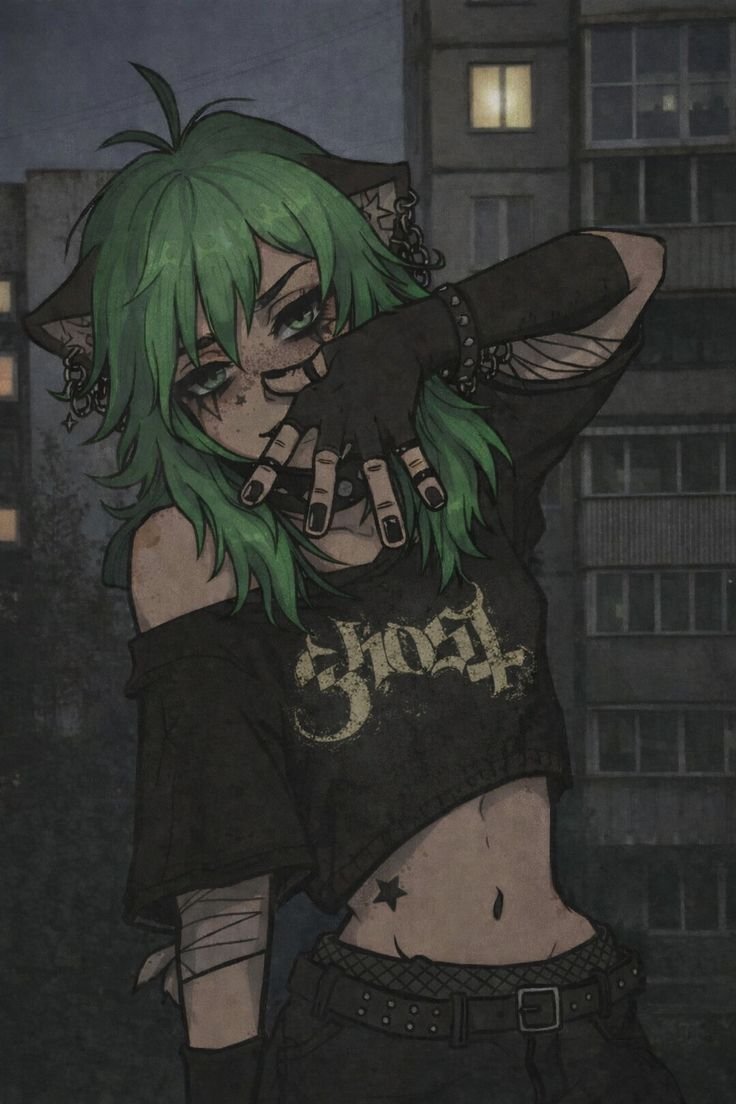
180 Scene PFP: For Aesthetic, Girl, 2000s, Emo & Pink Styles
Scene PFP styles show how profile pictures have evolved from simple account markers into visual signals of taste, mood, and belonging. A small avatar can now suggest irony, softness, chaos, confidence, or nostalgia before any message is read. What once served as a basic icon now helps define how a profile is perceived online.
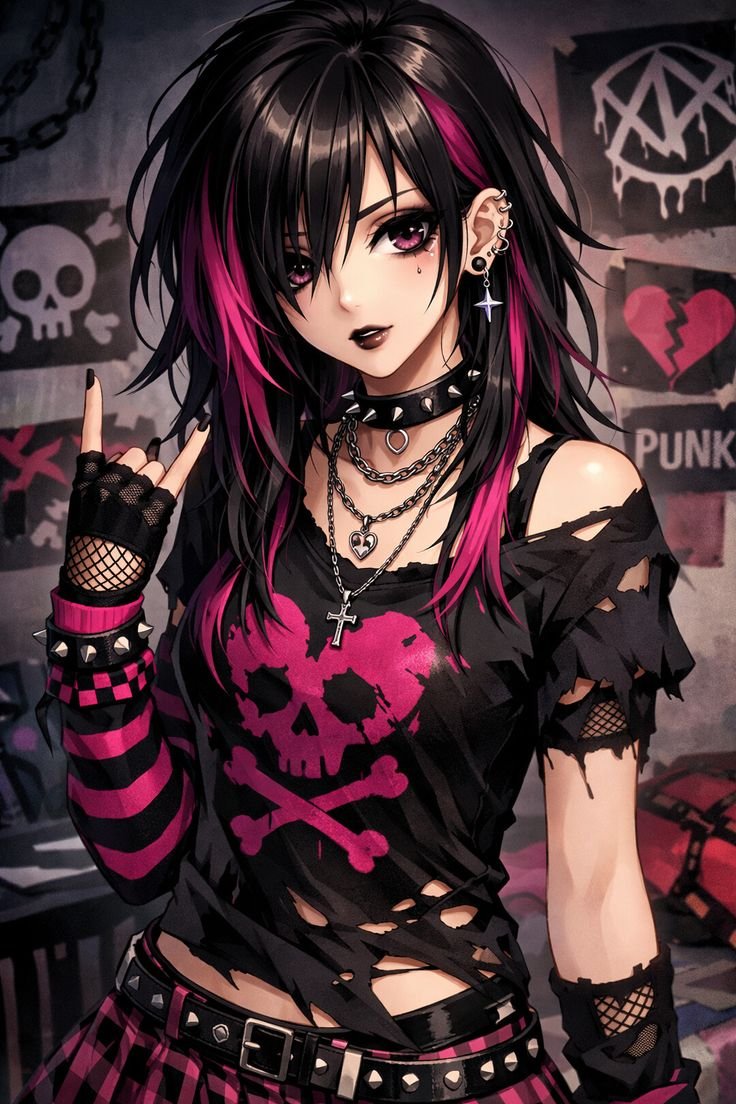
Within that visual culture, Scene PFP imagery feels especially relevant because it offers recognizable personality in an overstimulated digital environment. Neon accents, side-swept bangs, heavy contrast, pixel details, striped accessories, and energetic color layering create memorable avatars with strong character. The style moves naturally across emo, cute, pink, green, 2000s, girl, boy, and scene kid categories while keeping its rebellious visual identity.
Why A Well-Chosen PFP Shapes Your Online Presence
Online first impressions form quickly, and visual tone often communicates faster than written language. A clean, intentional avatar signals aesthetic awareness, attention to detail, and social fluency. Mood-based imagery can imply playfulness, mystery, softness, rebellion, or confidence without explanation. Small choices in contrast, crop, expression, and color often shape how a profile is interpreted across chats, feeds, and gaming spaces.
Consistency makes that effect stronger over time. A cohesive visual style helps profiles feel curated rather than random, especially when the same tones appear across banners, bios, and posts. Bold palettes can still feel refined when they are visually balanced. A strong Scene PFP works especially well because it turns loud visual language into a recognizable identity marker that feels expressive, memorable, and socially legible across different platforms.
Scene PFP Aesthetic
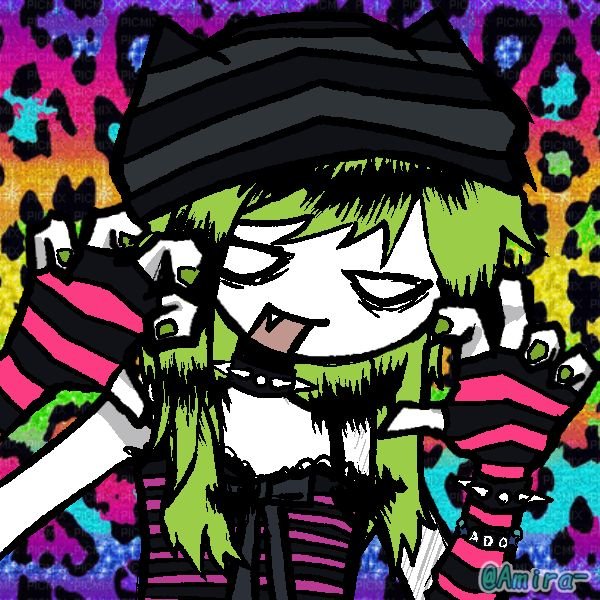
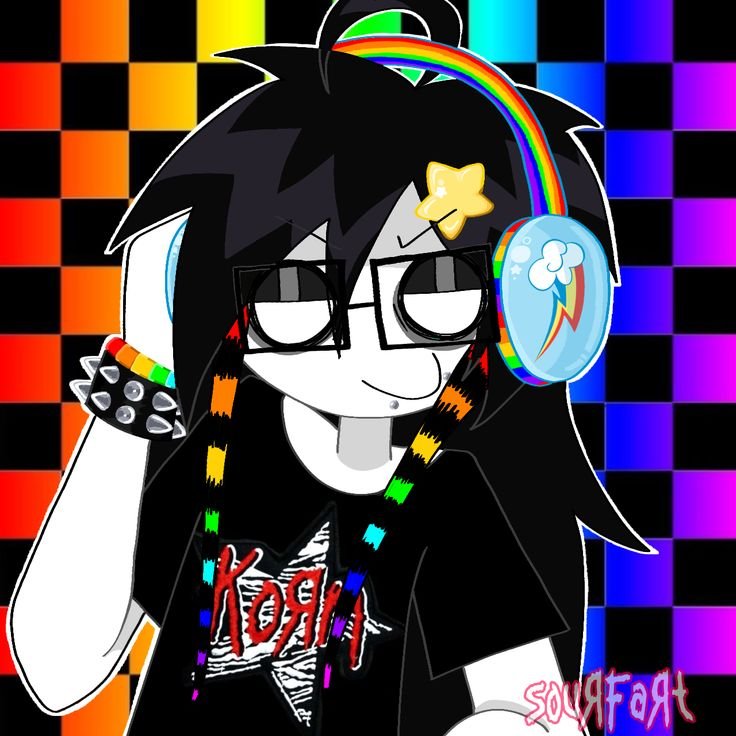
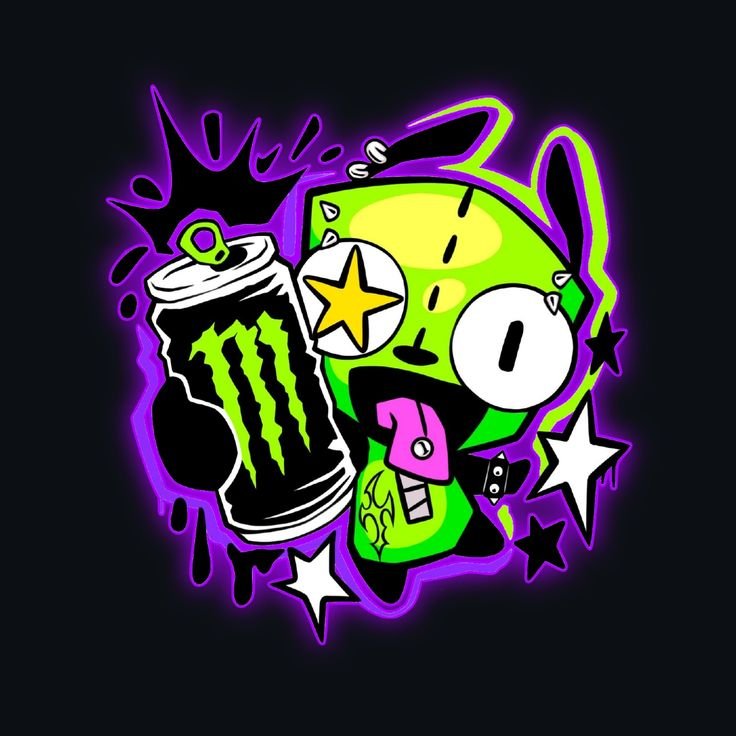
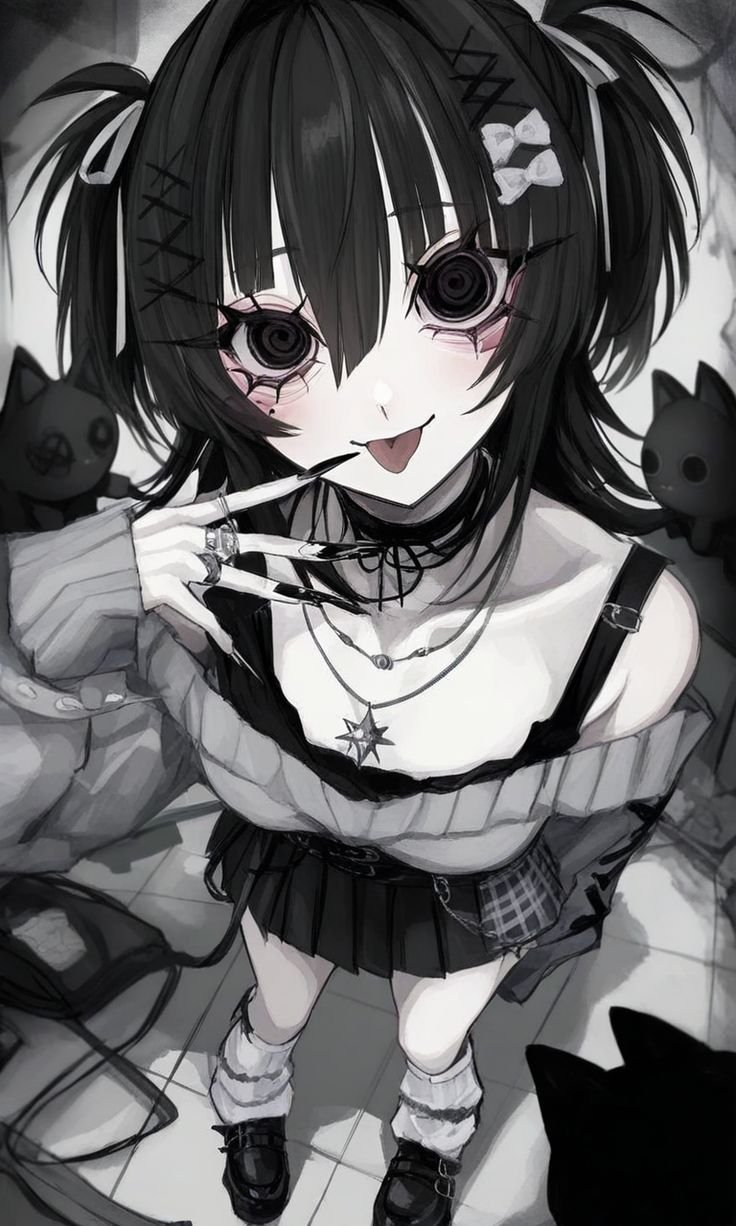
Scene PFP Aesthetic images usually combine heavy side bangs, bright streaked hair, layered accessories, and soft digital grain with a controlled composition. Pink, black, purple, blue, and silver commonly shape the palette. The image feels bold but arranged. The frame reflects stylized nostalgia rather than random visual noise.
Color layering creates instant identity. Hair becomes the dominant shape. Accessories add rhythm. Flash highlights sharpen facial contrast. Grain softens the harsher edges. The result feels expressive and visually curated.
These avatars are especially common on Pinterest, TikTok, Instagram, and Discord among users who want a nostalgic internet identity with strong styling. They suit profiles built around alternative fashion, old-web references, and expressive digital design. In chats and feeds, the icon can make a profile feel more distinct and personality-driven. The style pairs naturally with glitter bios, collage banners, and layouts built around contrast-heavy but coordinated color themes.
Scene PFP Girl
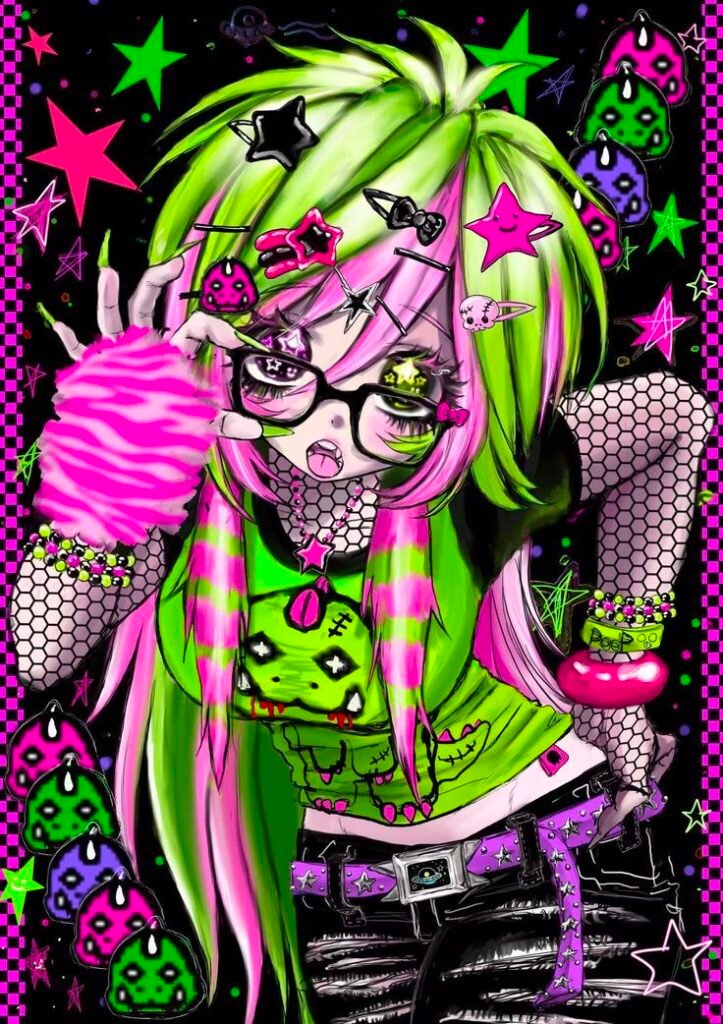
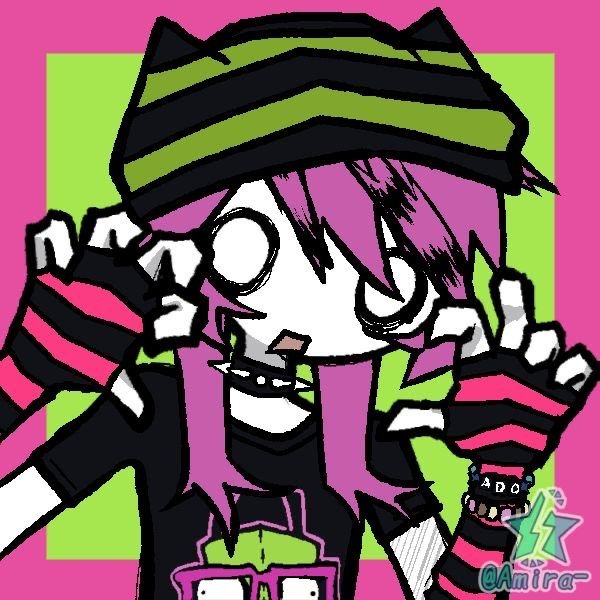
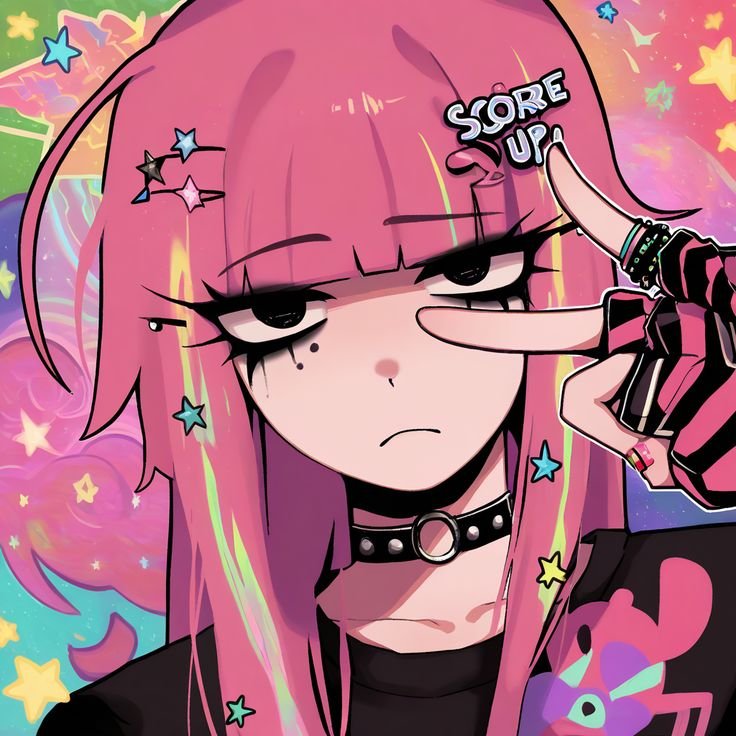
Scene PFP Girl styles often feature teased hair, side-swept bangs, bows, striped arm warmers, heavy eyeliner, and bright camera-flash portraiture. Pink, black, purple, cyan, and white usually define the frame. The composition feels loud, playful, and highly styled. The face remains central even with strong decorative details.
Hair volume creates immediate movement. Sharp eyeliner intensifies expression. Bright flash adds directness. Layered accessories build personality. Color contrast keeps the image memorable. The portrait feels theatrical but readable.
These avatars are especially common on Pinterest, TikTok, Instagram, and Discord among users who want a more feminine version of alternative internet nostalgia. They suit profiles centered on fashion edits, music references, or expressive digital self-presentation. In social spaces, the icon can make a profile feel more confident and visually specific. The style pairs naturally with neon banners, lyric bios, and layouts built around pink-black contrast and scene-era references.
Scene PFP 2000s
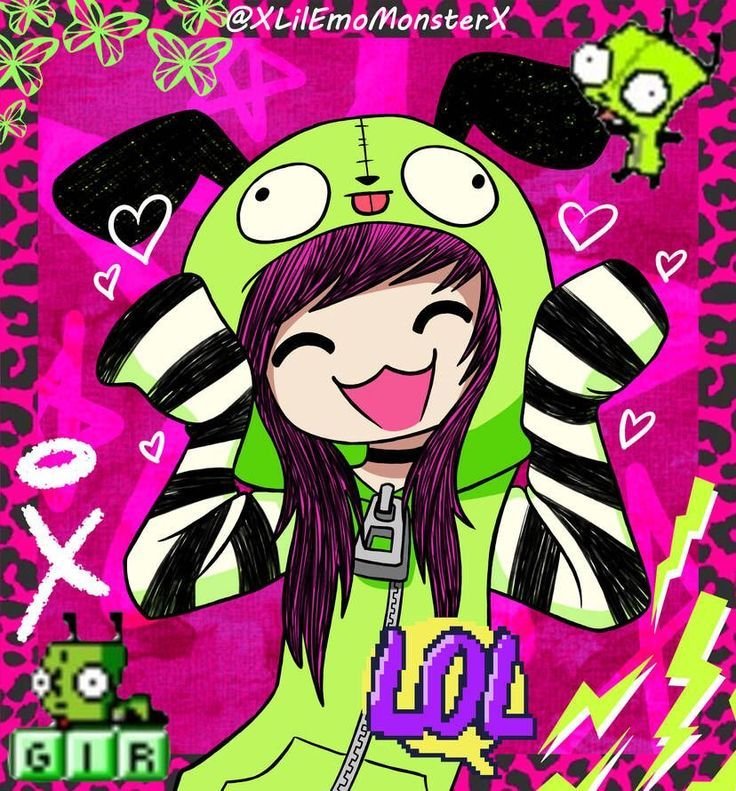
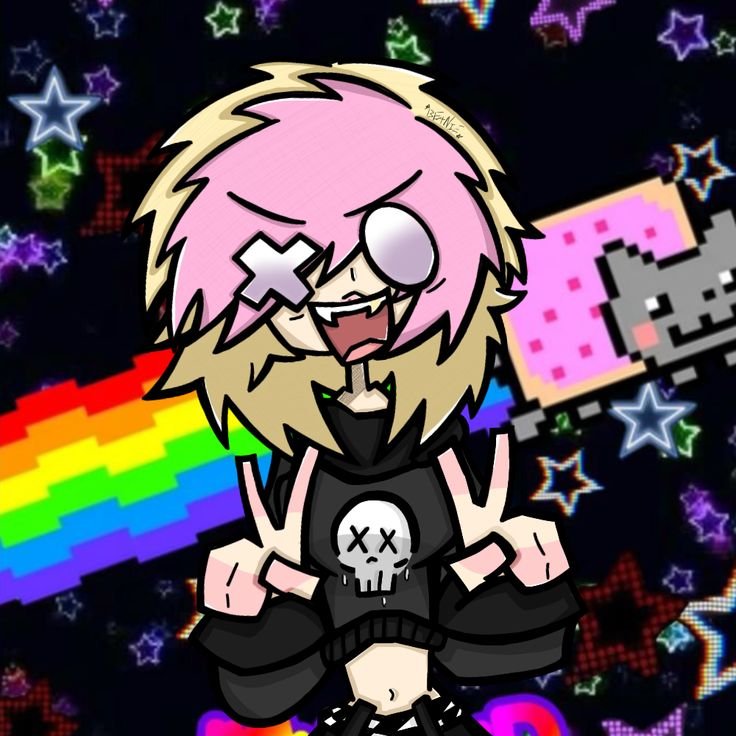
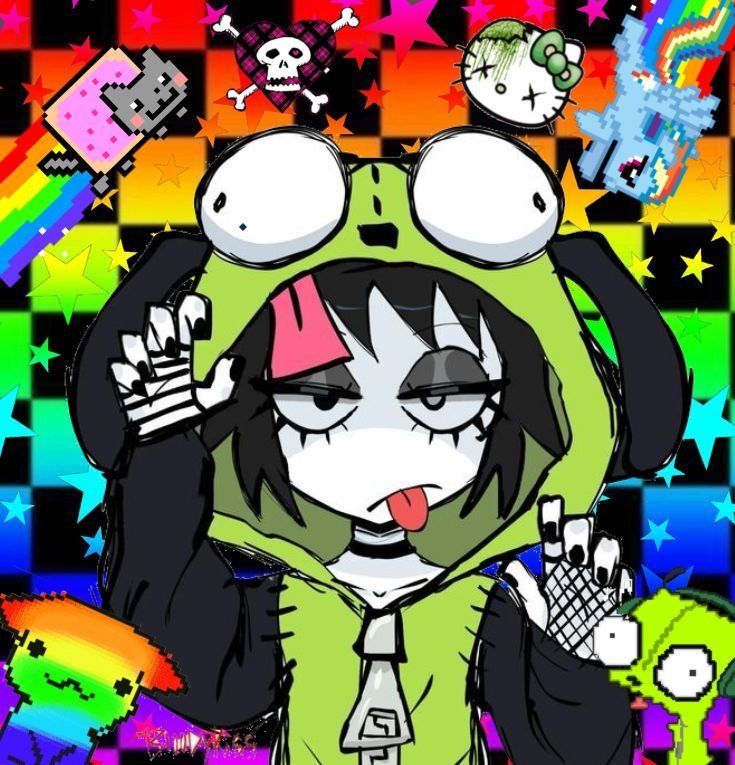
Scene PFP 2000s images usually pull from flash-camera selfies, pixel hearts, glitter overlays, striped accessories, checkerboard details, and old social-web styling. Pink, black, silver, cyan, and purple often dominate. The frame feels archived, nostalgic, and internet-native. The composition reflects early digital self-curation with strong attitude.
Flash creates period accuracy quickly. Glitter adds texture. Pixel motifs anchor the era. Silver details strengthen the retro-digital mood. Bright contrast keeps the image sharp. The result feels culturally specific and memorable.
These avatars are especially common on Pinterest, TikTok, and Instagram among users who want a profile image rooted in early-2000s alternative internet culture. They suit moodboard pages, throwback aesthetics, and profiles built around nostalgic identity. In chats and feeds, the icon can make a profile feel more referential and socially informed. The style pairs naturally with old-web banners, glittery bios, and layout choices that echo MySpace-era design language.
Scene PFP Boy
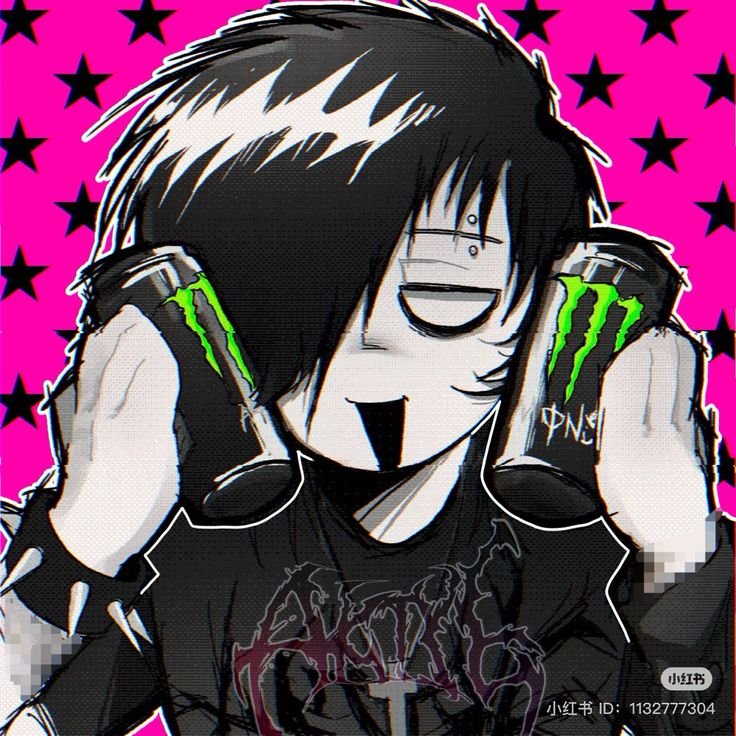
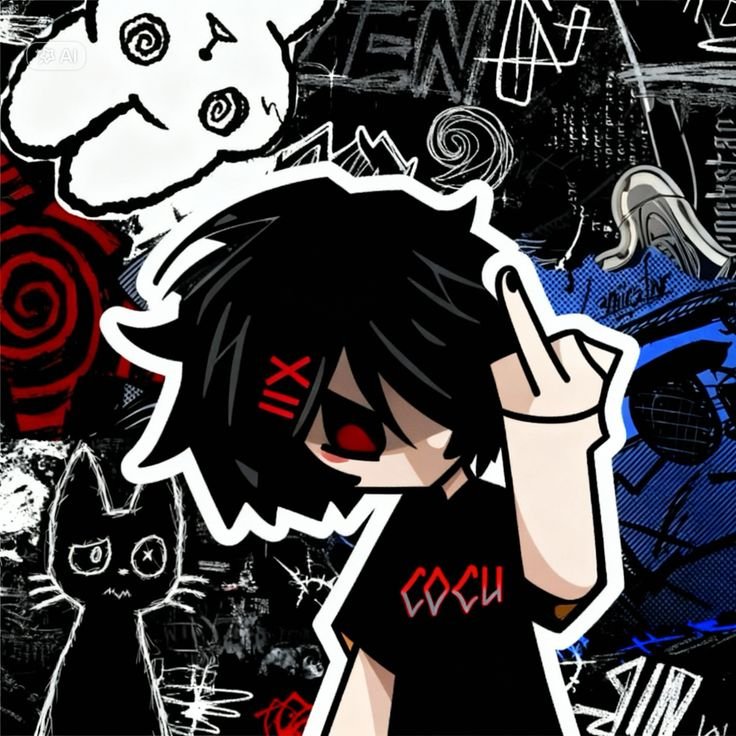
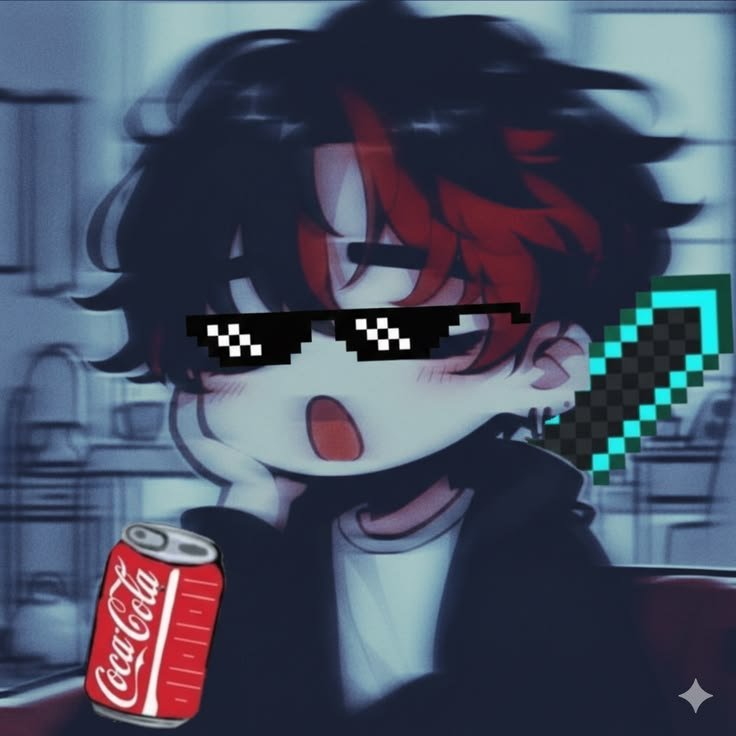
Scene PFP Boy styles usually rely on side-swept hair, band tees, dark eyeliner, striped layers, and high-contrast flash lighting. Black, electric blue, red, green, and white commonly shape the palette. The composition feels sharper and more graphic than casual portraits. The overall mood stays cool, rebellious, and intentionally stylized.
Hair direction builds the whole silhouette. Dark clothing anchors the frame. Flash creates stronger facial structure. Accent colors add energy. Minimal expression supports attitude. The image feels controlled and visually loud.
These avatars are common on Discord, TikTok, Instagram, and gaming profiles where alternative identity matters as much as visibility. They suit users who want a profile image that reads as expressive but not soft. In chats and feeds, the icon can make a profile feel more self-aware and culturally specific. The style pairs naturally with darker banners, band-inspired bios, and layouts built around black with neon accent color.
Scene Kid PFP
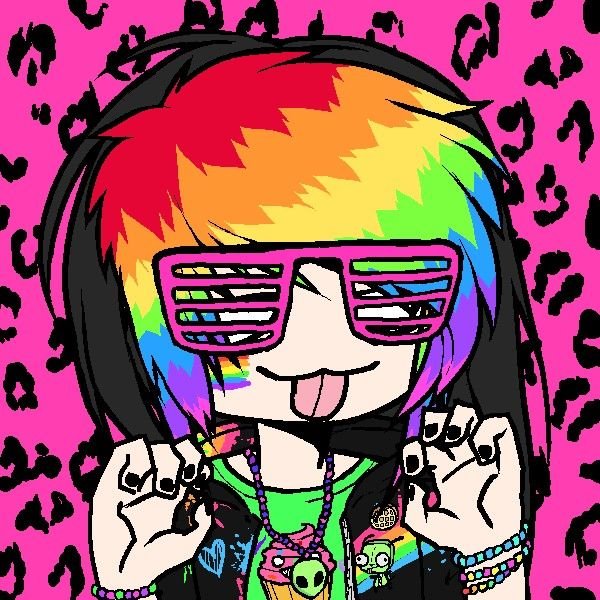
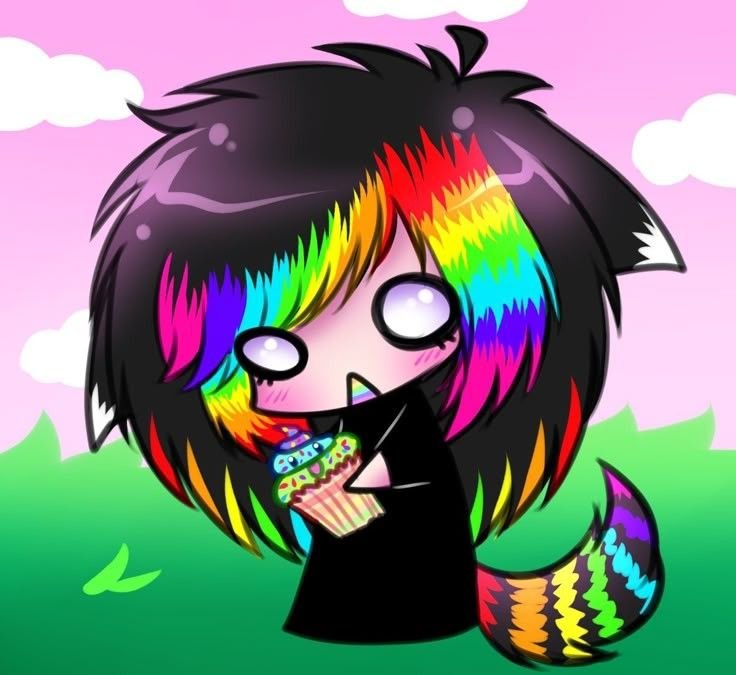
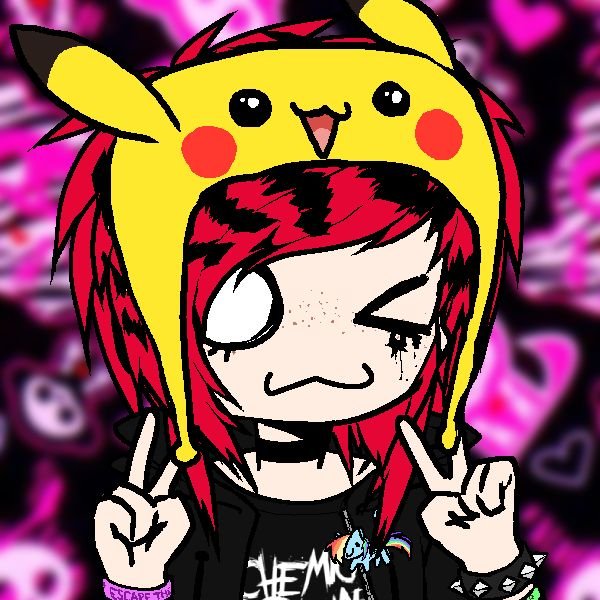
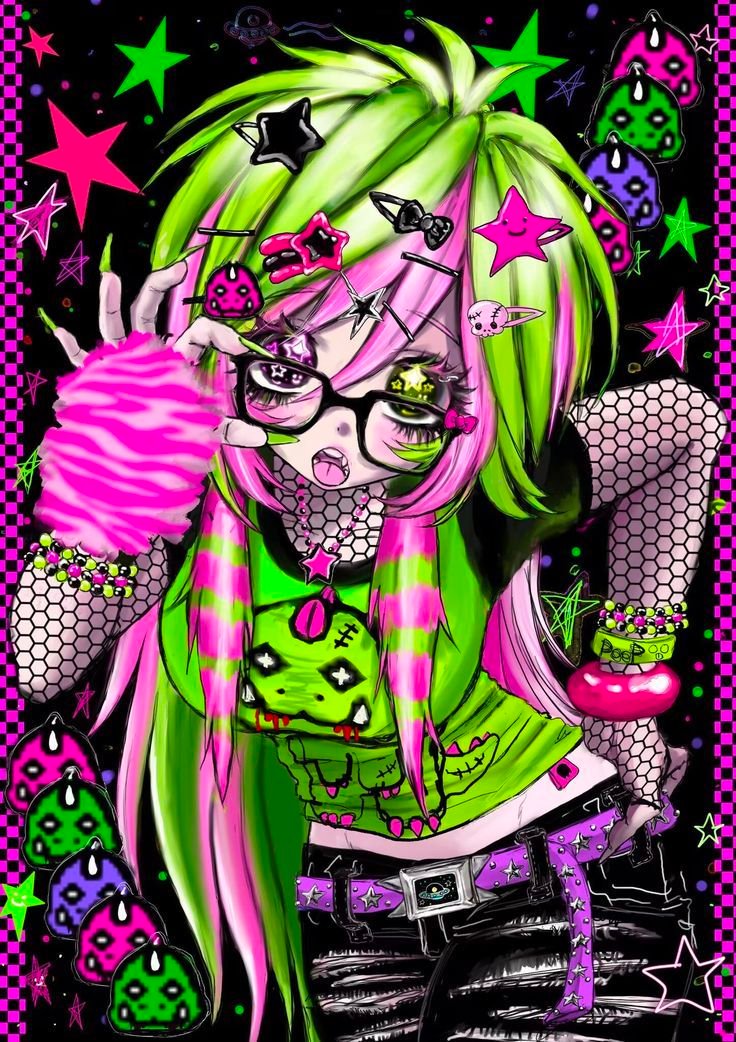
Scene Kid PFP images usually emphasize the most recognizable elements of the subculture: oversized bangs, neon streaks, bright accessories, cartoon badges, and exaggerated digital styling. The composition feels intentionally maximal while still staying face-led. Pink, black, lime, purple, and blue dominate. The frame feels iconic, noisy, and socially recognizable.
The style works through repetition. Repeated accessories create rhythm. Neon streaks make the hair unforgettable. Flash keeps the face central. Contrasting colors prevent flatness. The image feels loud in a controlled way.
These avatars are especially common on Pinterest, Discord, TikTok, and revival-style alternative accounts where nostalgic subculture identity matters. They suit users who want the full visual language rather than a toned-down aesthetic version. In chats and feeds, the icon can make a profile feel immediately identifiable and personality-rich. The style pairs naturally with kandi-inspired bios, sticker banners, and layouts built around maximal color and layered decoration.
Emo Scene PFP
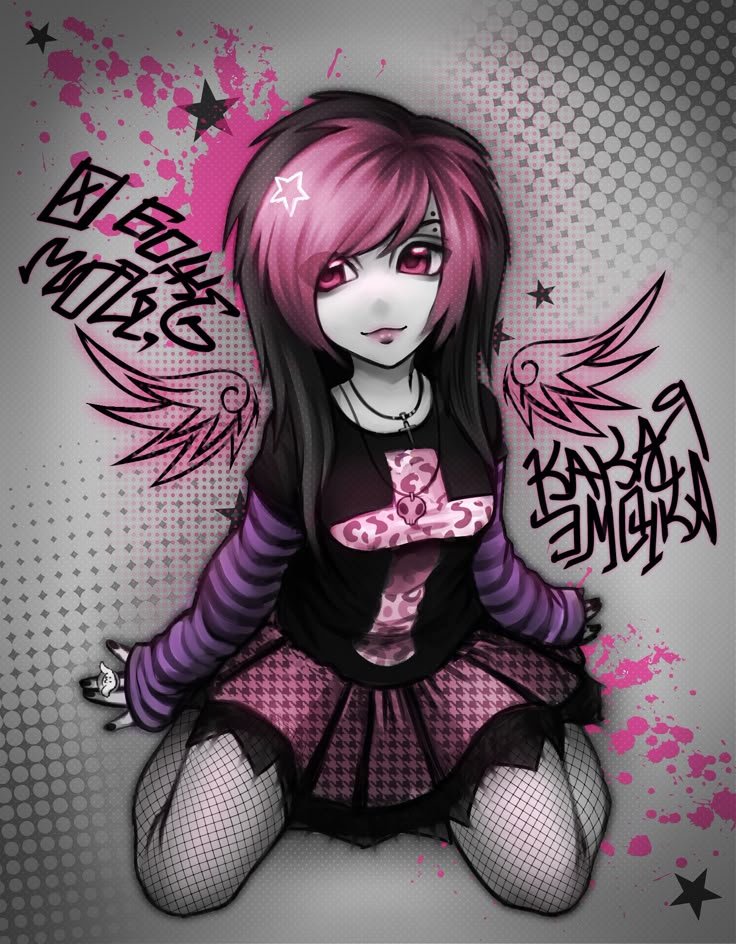
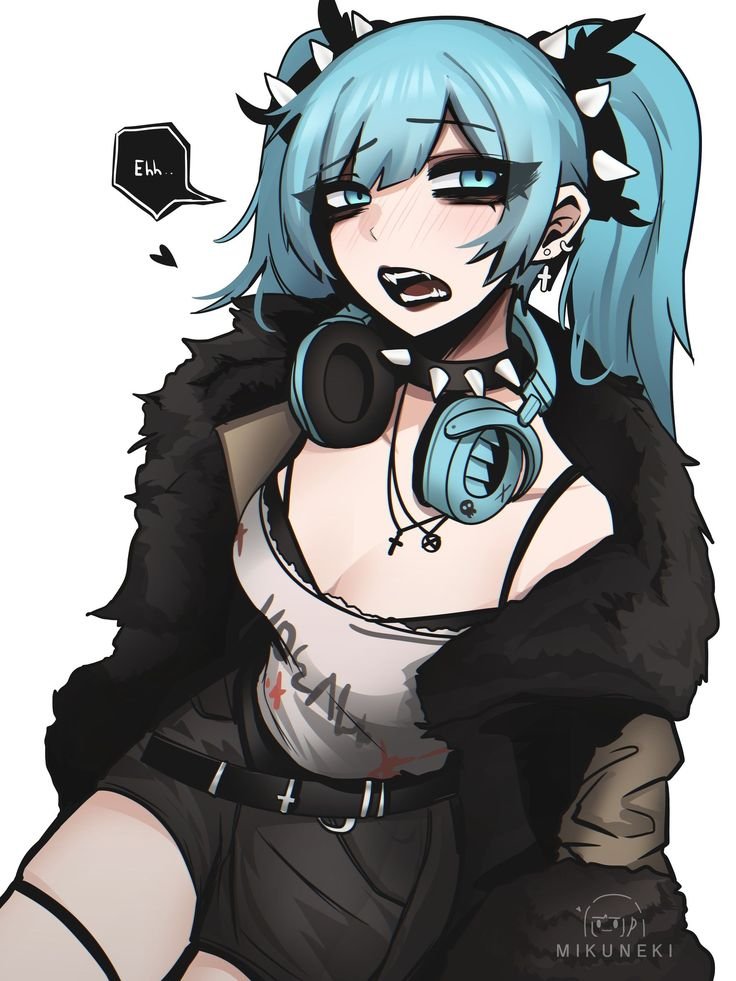
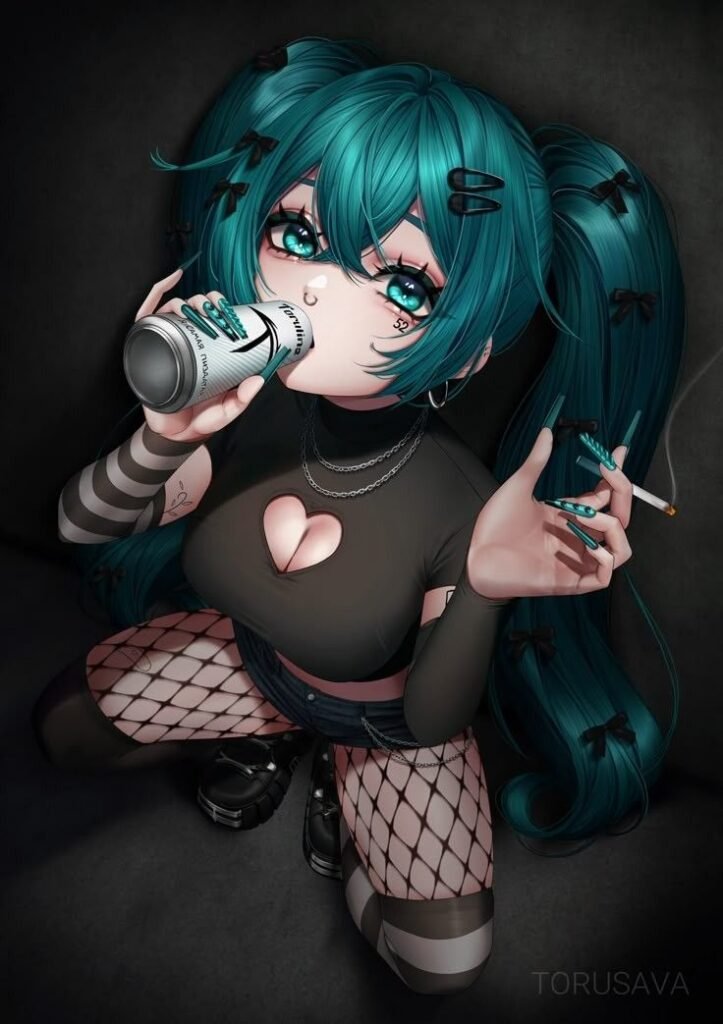
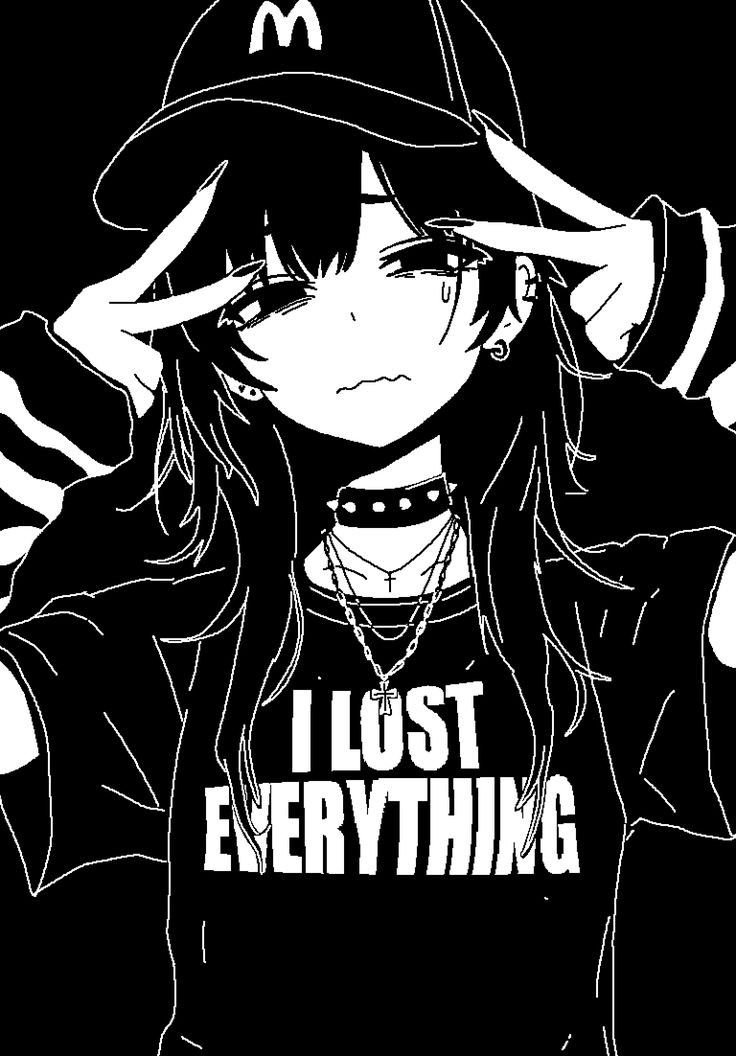
Emo Scene PFP styles blend scene styling with darker emotional tones, using side-swept hair, black-heavy palettes, smudged eyeliner, red accents, and moodier facial expression. The composition feels less playful and more introspective than brighter scene variants. Black, red, grey, purple, and white usually define the frame.
Dark contrast creates emotional pressure. Hair hides part of the face. Red accents add tension. Smudged detail softens the polish. Lower saturation deepens the mood. The image feels melancholic and sharp.
These avatars are especially common on Discord, TikTok, Instagram, and mood-heavy alternative profiles where emotional expression matters as much as style. They suit users who want a profile image that feels more serious and less decorative than classic scene imagery. In chats and feeds, the icon can make a profile feel more withdrawn, artistic, or intense. The style pairs naturally with lyric bios, monochrome banners, and layouts built around darker alternative aesthetics.
Cute Scene PFP
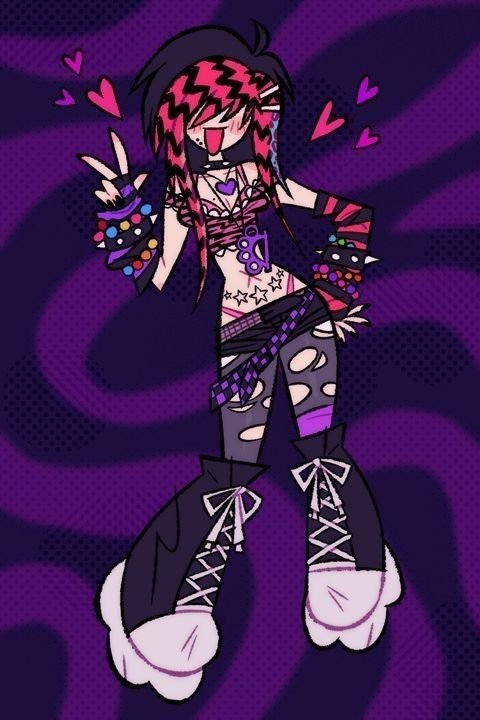
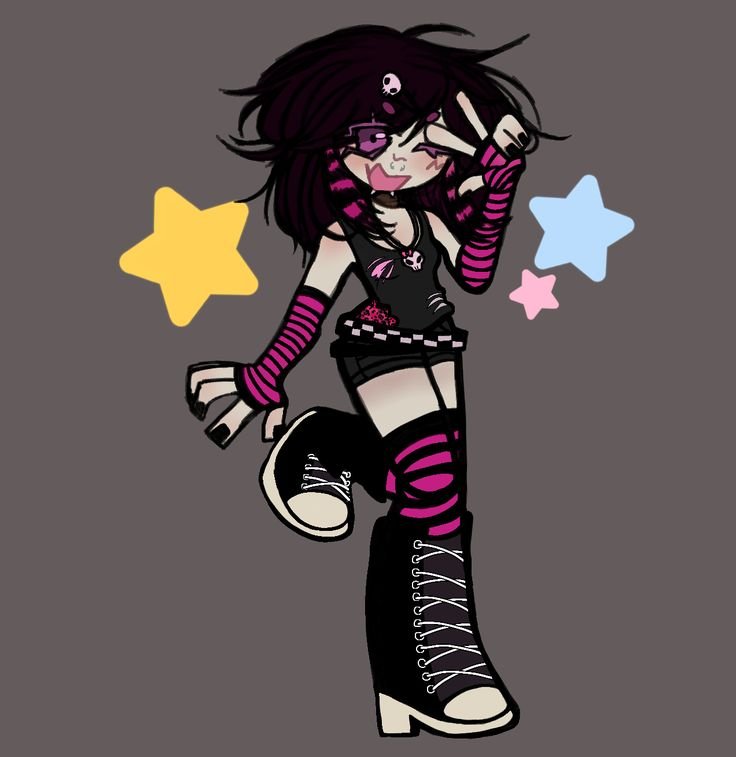
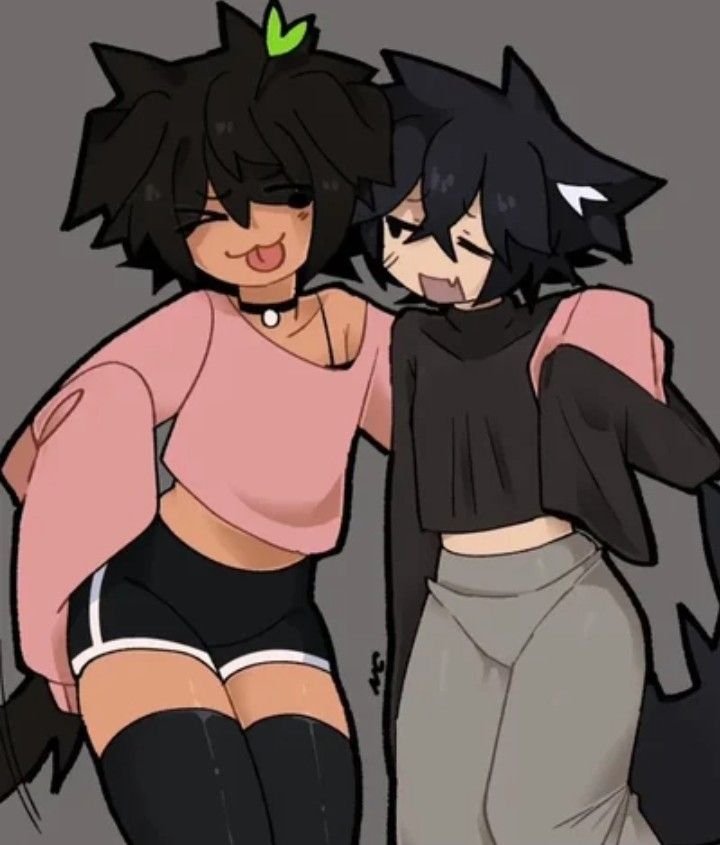
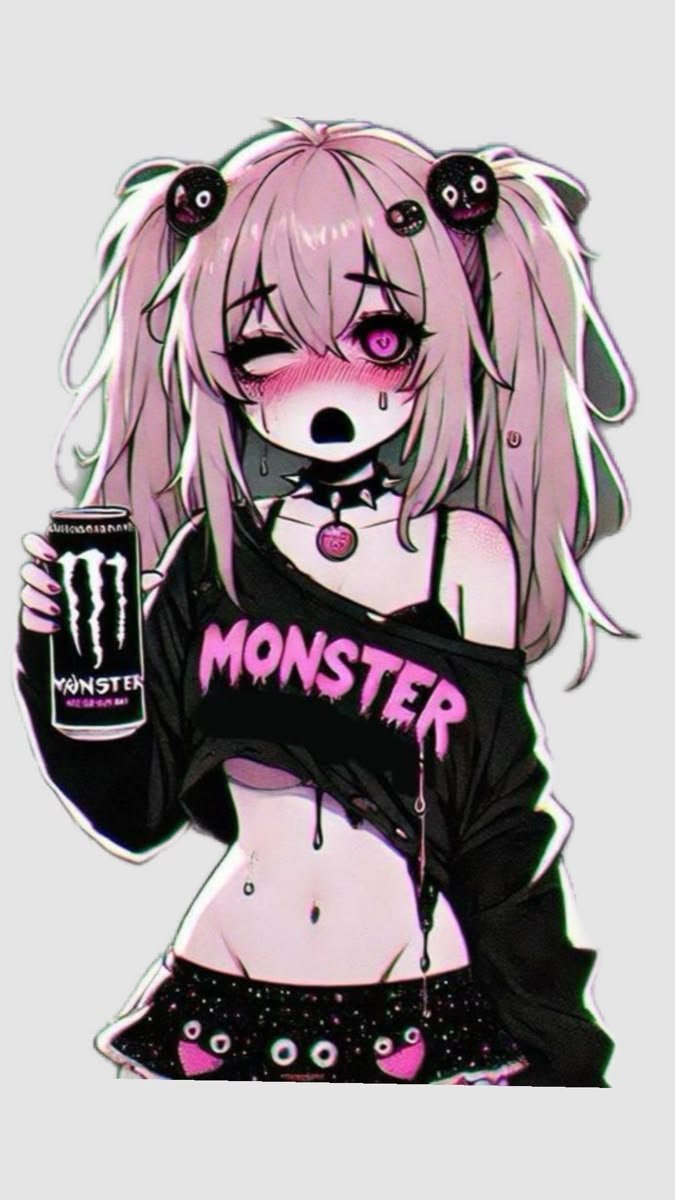
Cute Scene PFP images soften the usual edge of scene style through pastel accents, rounded expressions, heart motifs, plush accessories, and brighter lighting. Pink, lavender, baby blue, black, and white often shape the frame. The composition feels playful and decorative. The mood leans affectionate rather than rebellious.
Soft accents lower the visual severity. Hearts and bows create warmth. Bright flash keeps the face readable. Pastels reduce tension. Layered details still preserve the scene identity. The result feels energetic but approachable.
These avatars are especially common on Pinterest, TikTok, Instagram, and Discord among users who want alternative styling without a darker emotional tone. They suit profiles built around plush aesthetics, cute edits, and softer nostalgic self-presentation. In chats and feeds, the icon can make a profile feel more welcoming while still visually distinct. The style pairs naturally with pastel banners, glitter bios, and layouts that mix scene styling with kawaii softness.
Pink Scene PFP
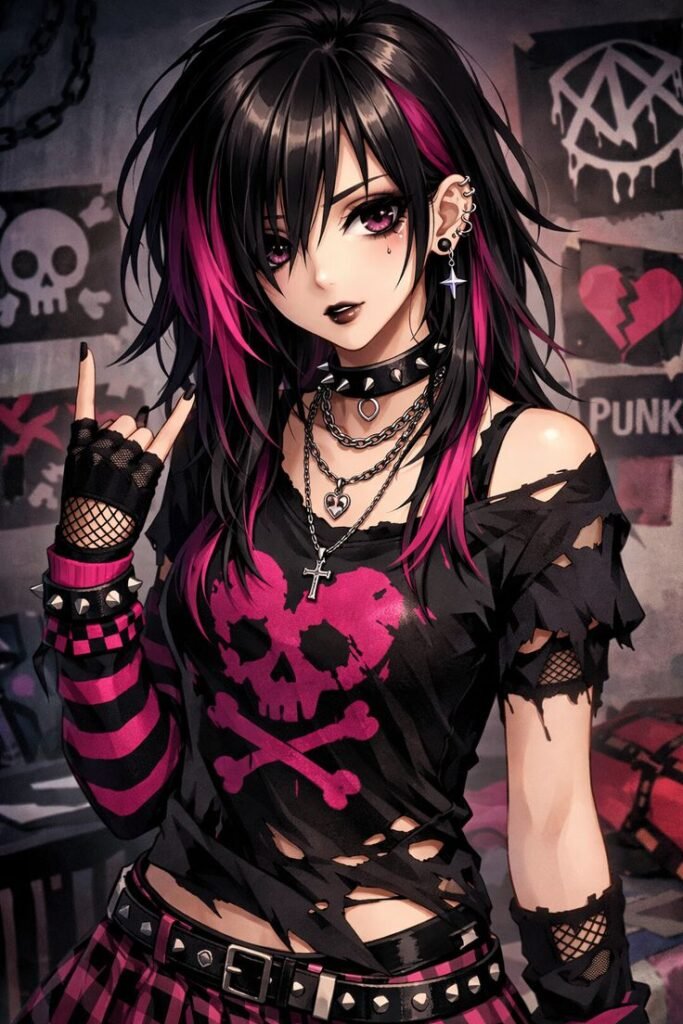
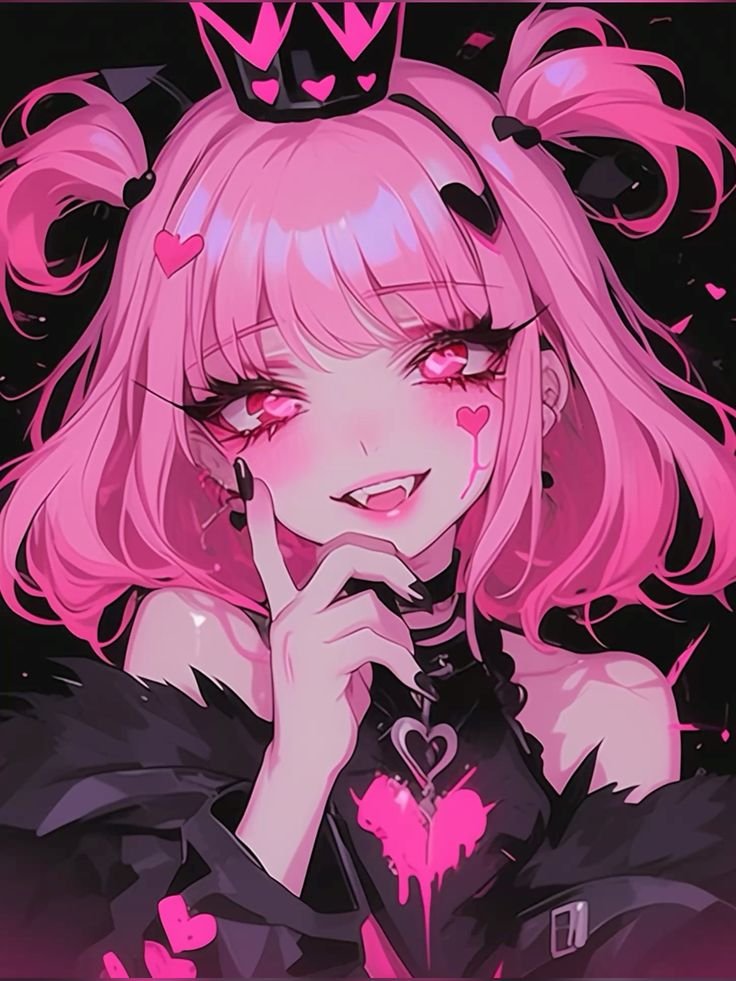
Pink Scene PFP styles center on hot pink, pastel pink, magenta streaks, bows, hearts, and strong flash-lit portraits. Black often acts as the balancing color, preventing the frame from becoming too soft. The composition feels bright, loud, and highly recognizable. Hair and accessories usually carry much of the visual weight.
Pink drives the mood immediately. Black adds structure. Flash keeps details crisp. Hair streaks create movement. Small hearts or stars add charm. The image feels bold and playful.
These avatars are especially common on Pinterest, Instagram, TikTok, and Discord among users who want an unmistakably feminine or nostalgic scene look. They suit profiles built around Y2K, alt-pop, or pink-black digital identity. In chats and feeds, the icon can make a profile feel more expressive and visually memorable. The style pairs naturally with bright bios, bow-themed banners, and profile systems built around saturated pink contrast.
Silly Scene PFP
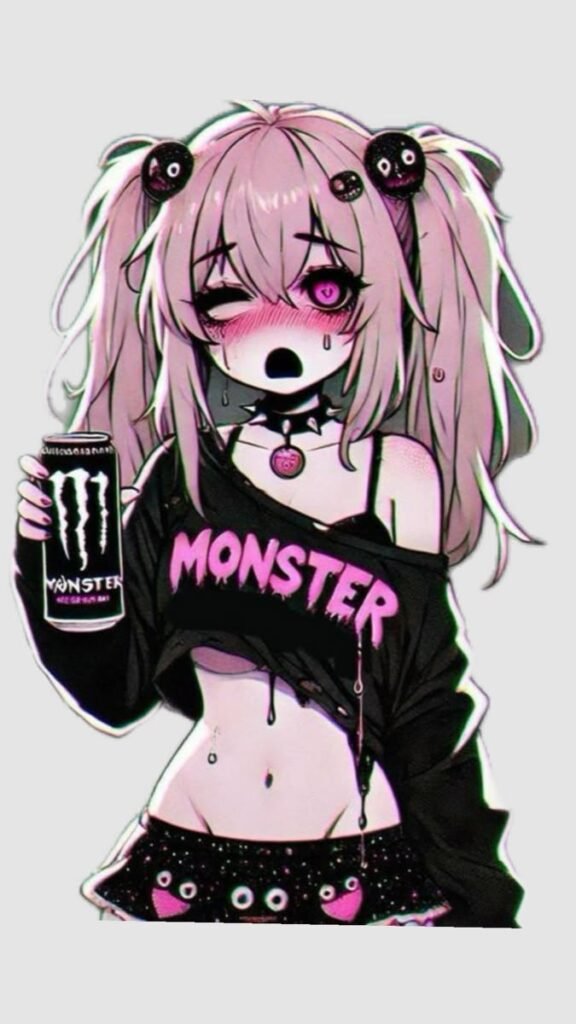
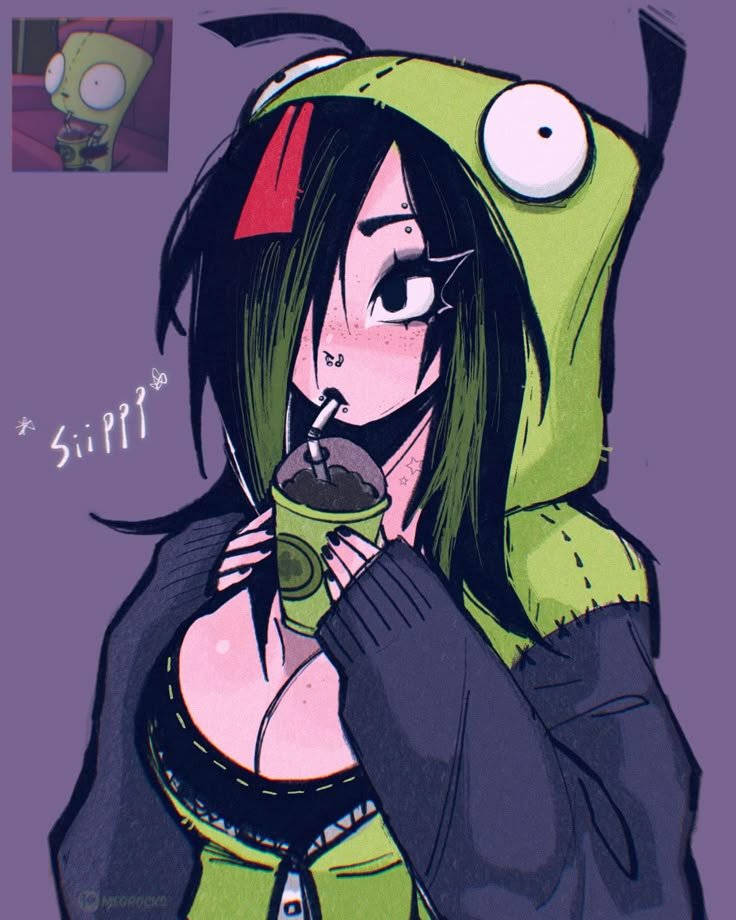
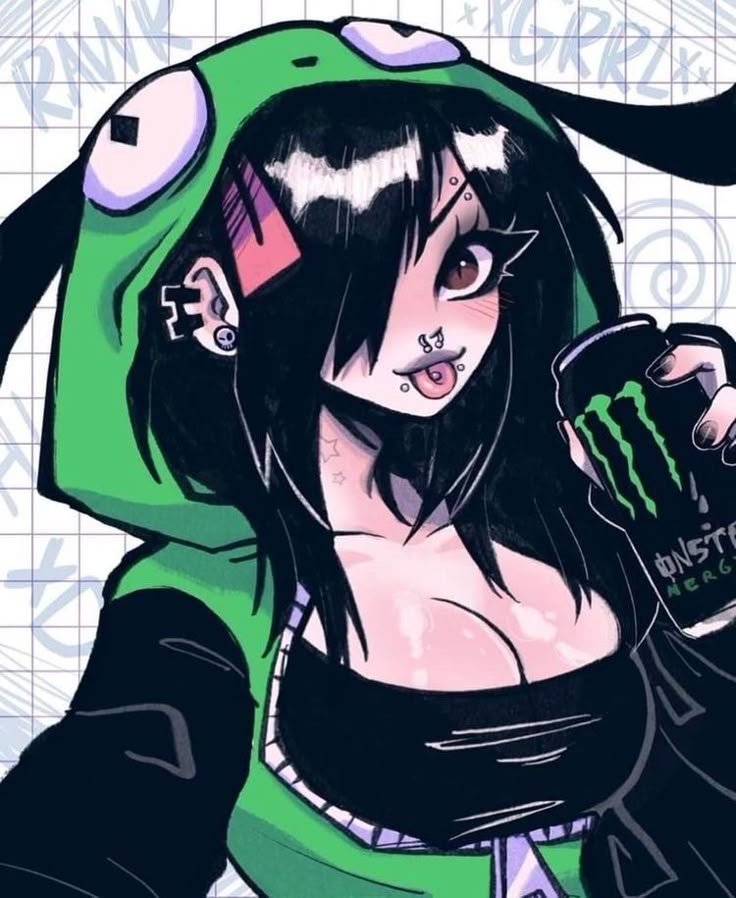
Silly Scene PFP images often use exaggerated hair, awkward smiles, playful tongue-out expressions, chaotic sticker edits, or absurd accessory overload. The composition keeps the face central even when the styling becomes intentionally unserious. Pink, black, green, blue, and white commonly appear. The frame feels hyperactive and funny.
Silliness works through excess. Hair shape becomes almost comic. Odd expressions create instant humor. Sticker-like details add energy. Bright colors sharpen the joke. The image feels playful without losing structure.
These avatars are especially common on Discord, TikTok, and group-chat profiles where personality and humor matter more than polish. They suit users who want scene nostalgia with a more ironic or lighthearted tone. In conversations, the icon can make a profile feel easier to approach and less emotionally heavy. The style pairs naturally with joke bios, chaotic banners, and layouts that treat scene styling as both fashion and playful performance.
Green Scene PFP
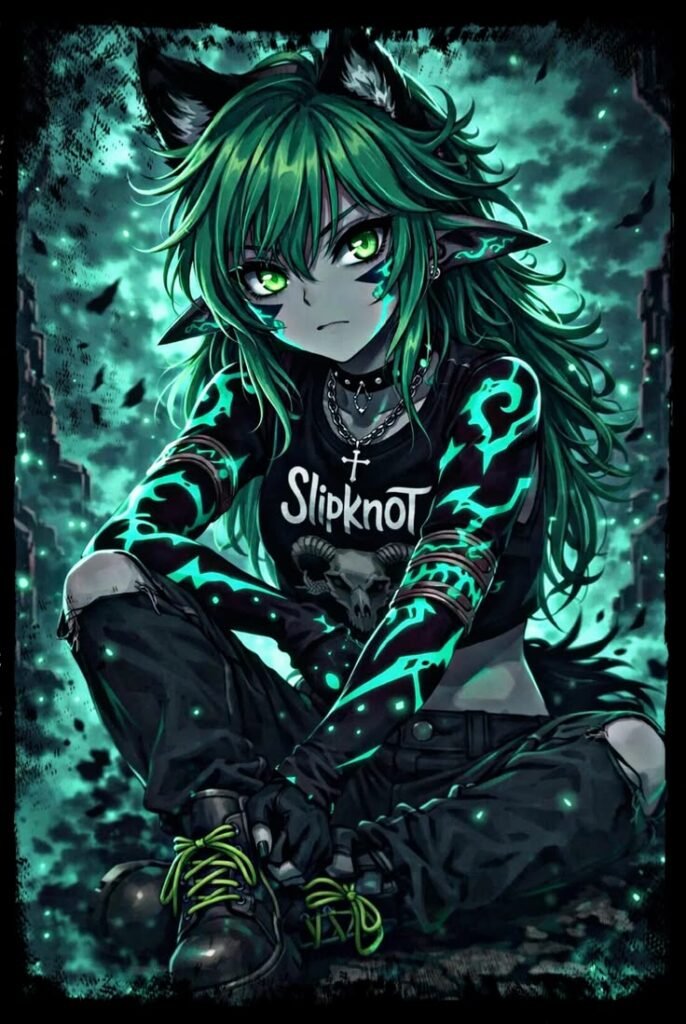
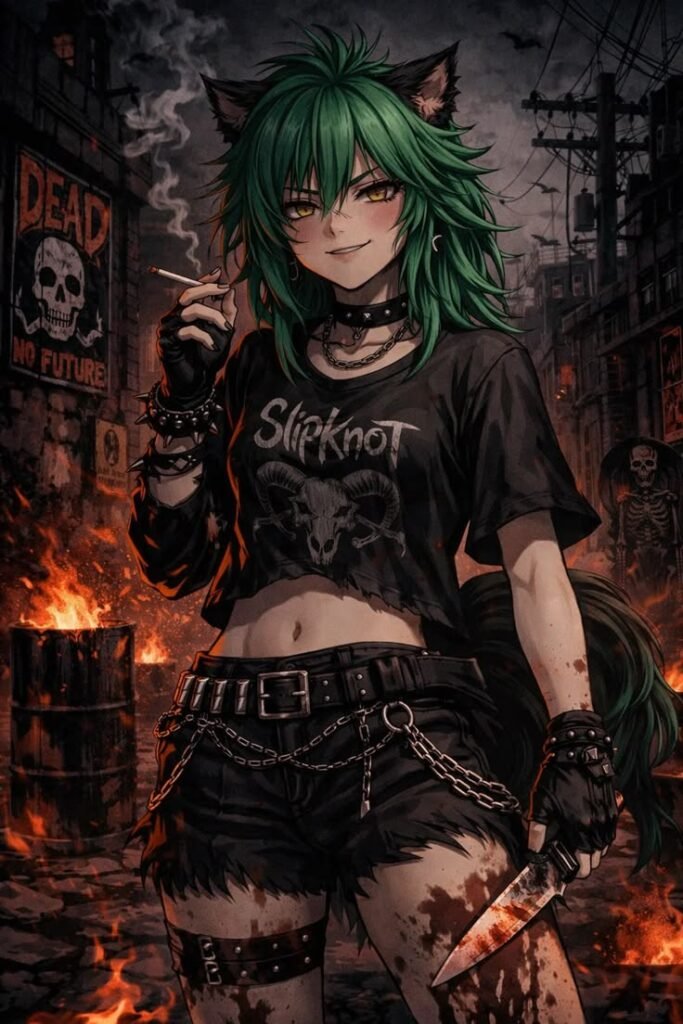
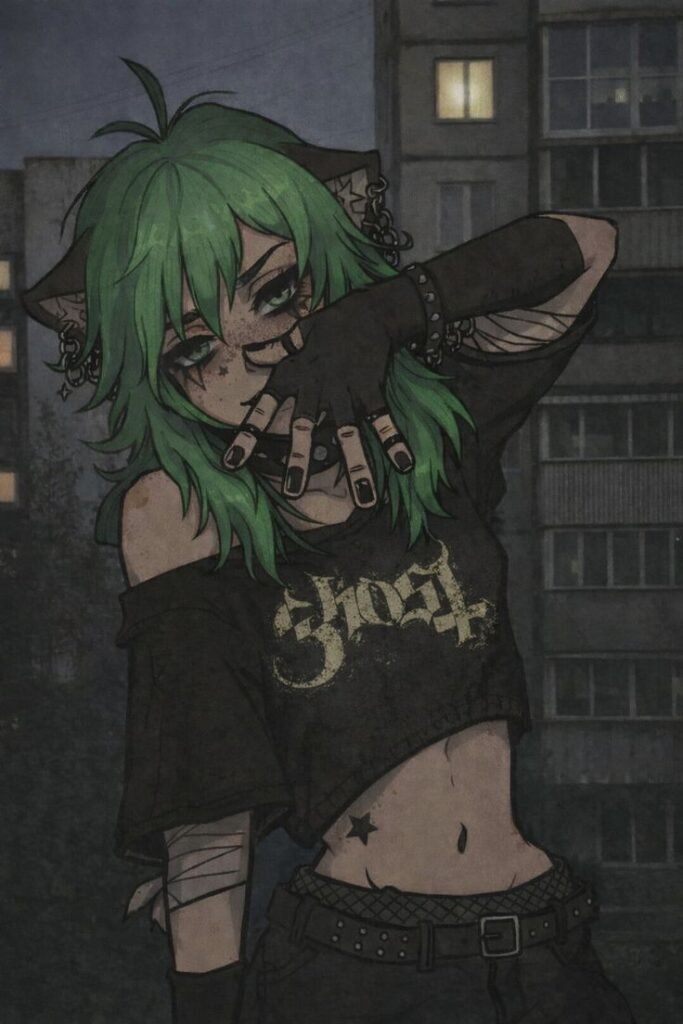
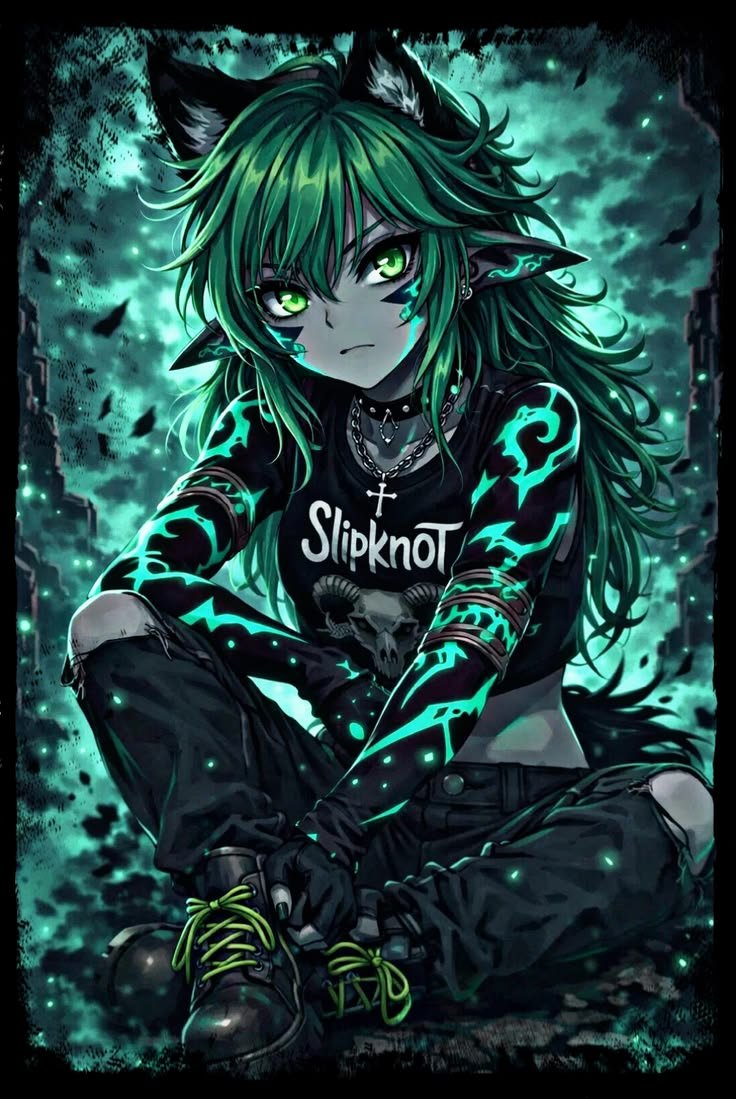
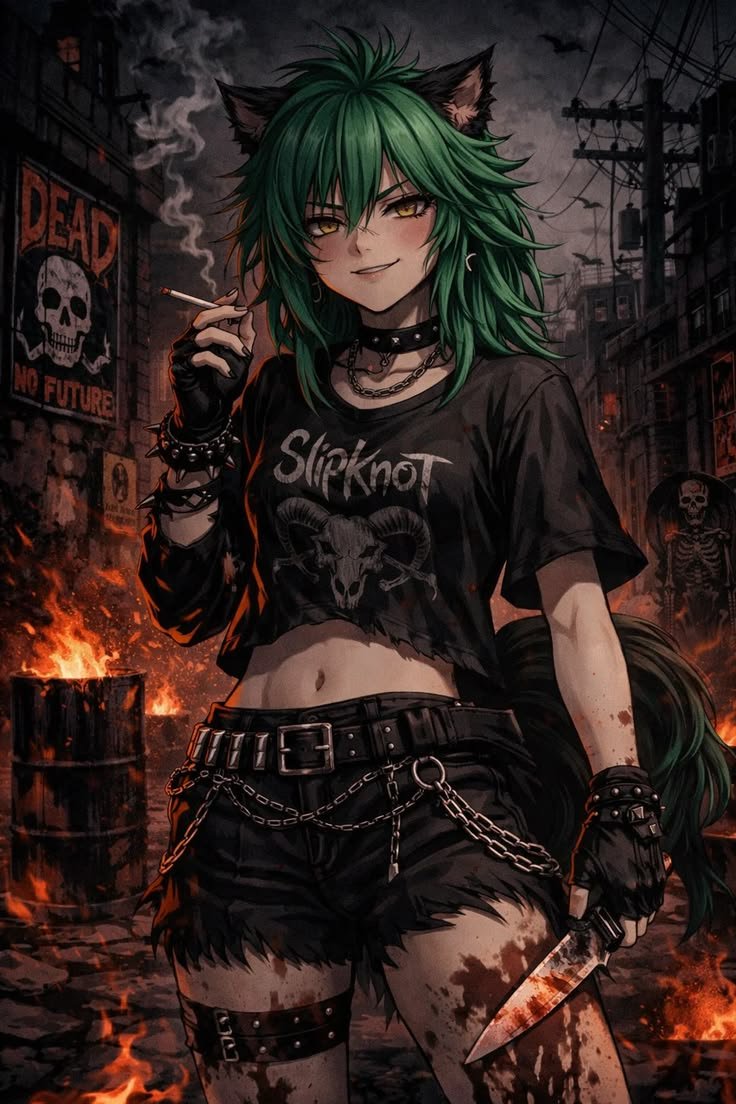
Green Scene PFP styles use neon lime, acid green, black, and white to create one of the sharpest scene color combinations. Hair streaks, striped accessories, digital stars, and dark eyeliner often appear together. The composition feels more electric and graphic than pink-led versions. The overall mood stays edgy and high-contrast.
Green creates immediate energy. Black keeps the frame grounded. Lime accents sharpen the silhouette. Flash enhances the facial crop. Repeated striping adds motion. The image feels loud and visually precise.
These avatars are especially common on Discord, TikTok, and alternative gaming profiles where a bolder palette helps the icon stand out. They suit users who want scene styling that reads sharper and more rebellious than cute. In chats and feeds, the icon can make a profile feel more aggressive, graphic, and memorable. The style pairs naturally with neon banners, striped bios, and darker layout systems built around lime-black contrast.
Scene PFP Background
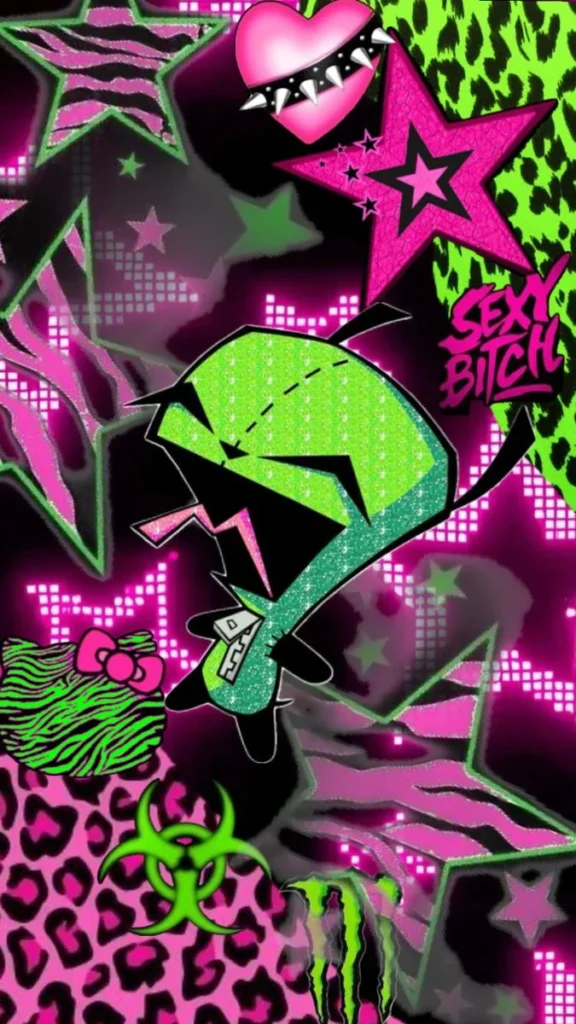
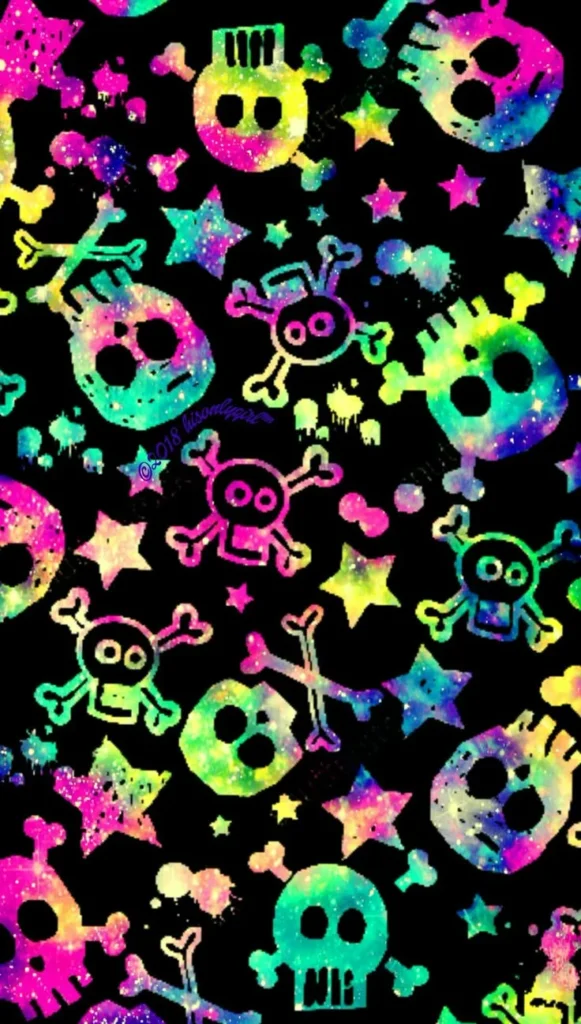
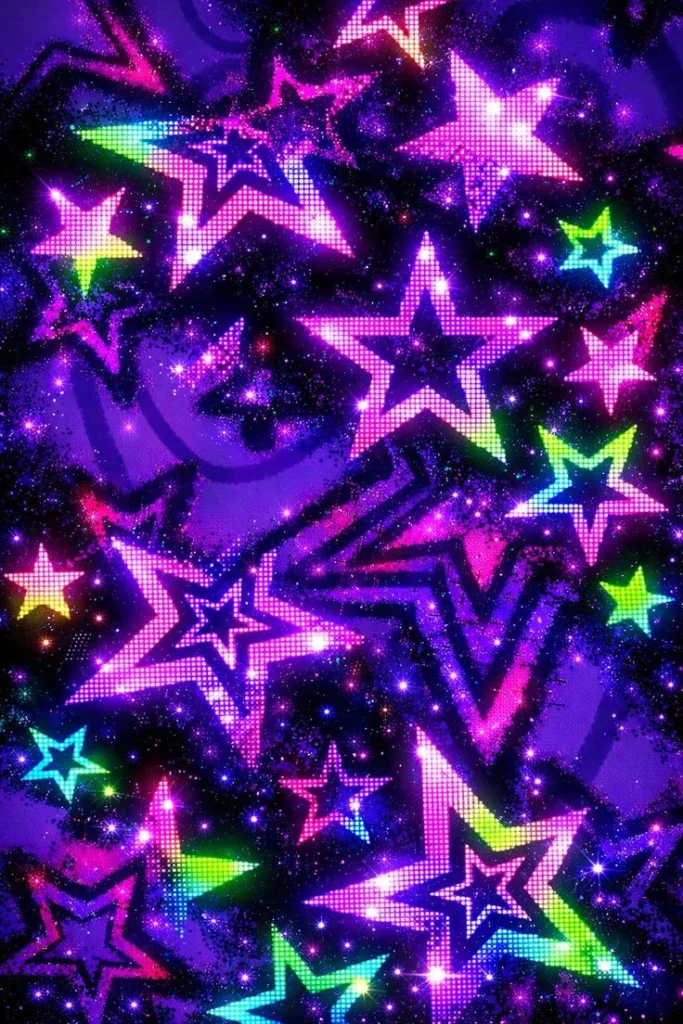
Scene PFP Background styles place more emphasis on the surrounding visual field, using checkerboard walls, pixel stars, glitter gradients, concert posters, or brightly edited digital space behind the subject. The portrait remains central, but the setting adds social context. The composition feels layered, busy, and era-coded.
Background choice changes the profile mood fast. Checkerboard adds retro structure. Glitter creates texture. Pixel stars reinforce the internet era. Posters add subculture reference. Controlled clutter keeps the frame readable. The result feels specific and immersive.
These avatars are especially common on Pinterest and TikTok among users who treat profile images as mini moodboards rather than simple headshots. They suit profiles built around music references, scene nostalgia, and old-web aesthetics. In chats and feeds, the icon can make a profile feel more world-built and expressive. The style pairs naturally with collage banners, quote bios, and layouts built around visual storytelling.
Scene PFP Discord
Scene PFP Discord images need strong facial clarity, simple enough color blocking, and enough contrast to survive small circular crops on dark mode. Bold bangs, clear eyes, and one or two dominant accent colors usually work best. The composition feels compact, readable, and still visibly alternative.
Discord rewards clarity over clutter. Strong face crops improve recognition. High-contrast hair shapes stay readable. Neon accents hold on dark backgrounds. Minimal decoration works better than full collage. The image feels expressive and practical.
These avatars are especially useful in large servers, friend groups, and alternative communities where quick recognition matters. They suit users who want a scene identity that remains functional in small spaces. In chats and server lists, the icon can make a profile easier to locate while preserving strong visual personality. The style pairs naturally with short bios, dark banners, and streamlined scene-themed layouts.
Scene PFP Black and White
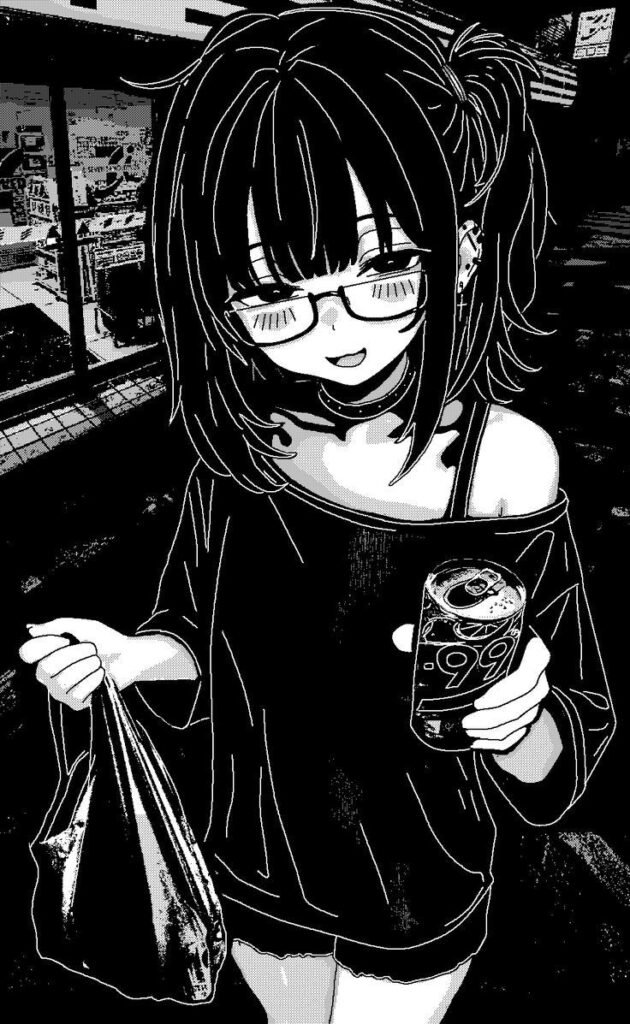
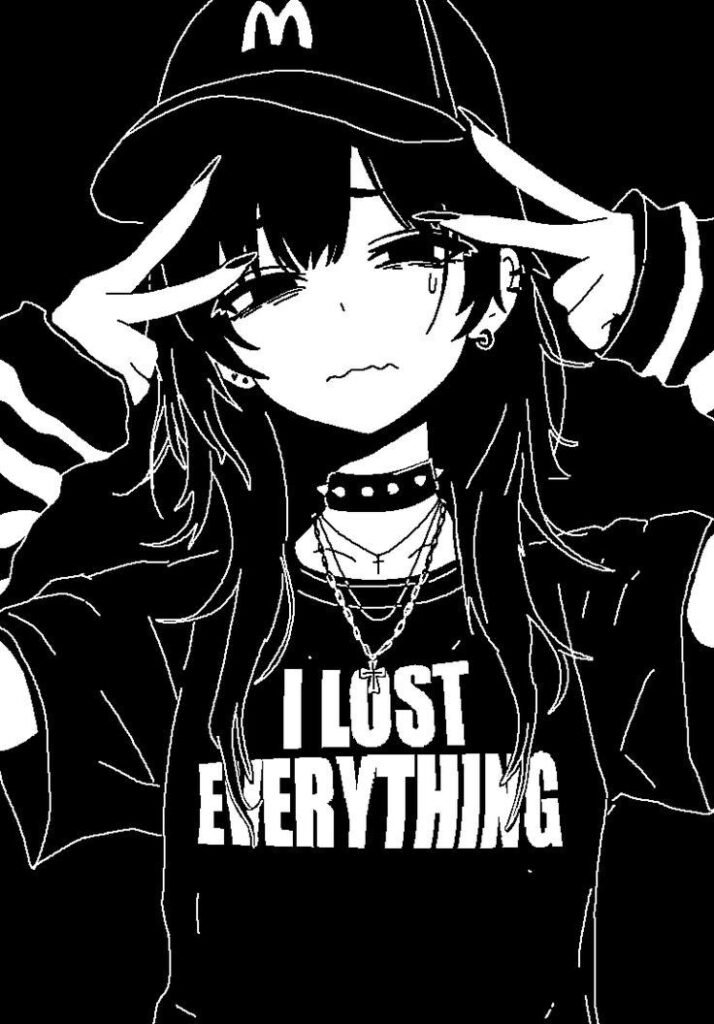
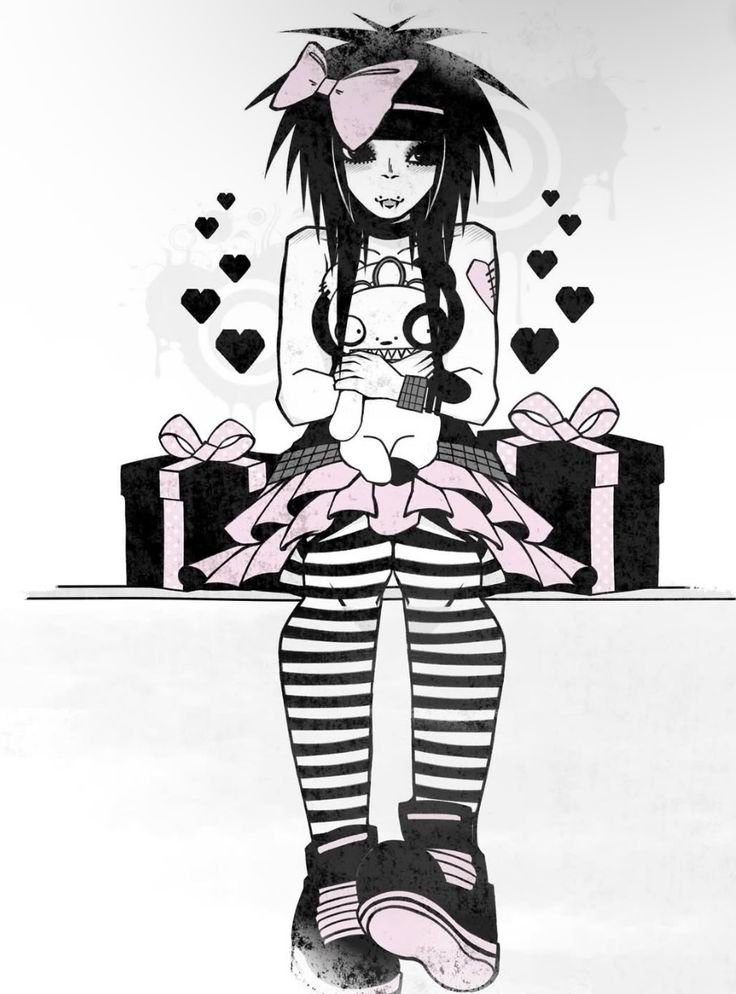
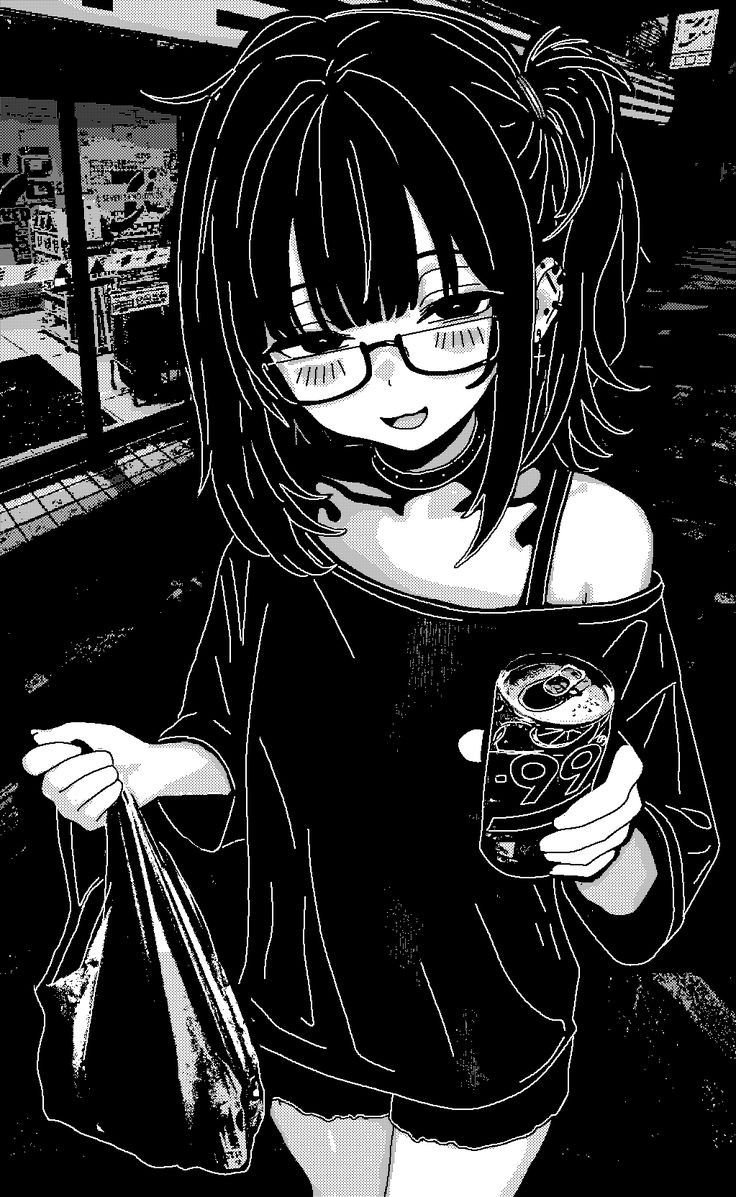
Scene PFP Black and White styles remove the neon palette and focus on hair shape, eyeliner, facial contrast, and silhouette. Without bright color, the scene structure becomes more graphic and emotionally sharper. The composition feels more restrained but still highly stylized. Black, white, and grey dominate the mood.
Monochrome changes the energy immediately. Hair becomes the main design element. Eyeliner gains visual weight. Contrast sharpens the face. Empty space becomes more important. The image feels colder and more deliberate.
These avatars are especially common on Instagram, Discord, and Pinterest among users who want a more minimal or emo-leaning variation of scene styling. They suit profiles built around monochrome layouts, lyric references, and darker visual systems. In chats and feeds, the icon can make a profile feel more refined and less playful. The style pairs naturally with black banners, short bios, and cleaner alternative layouts.
Scene PFP Flash Selfie
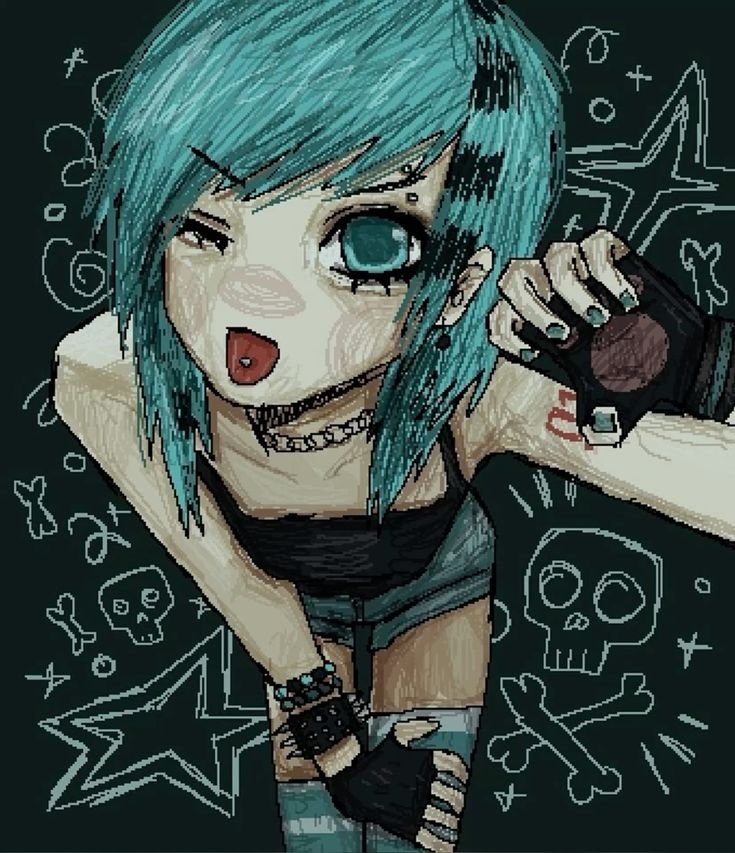
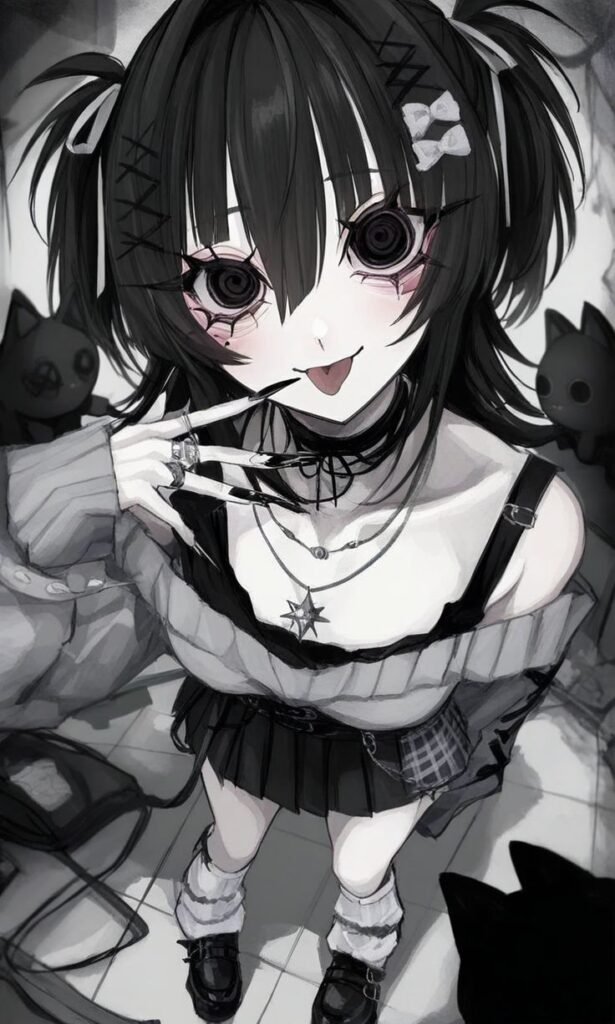
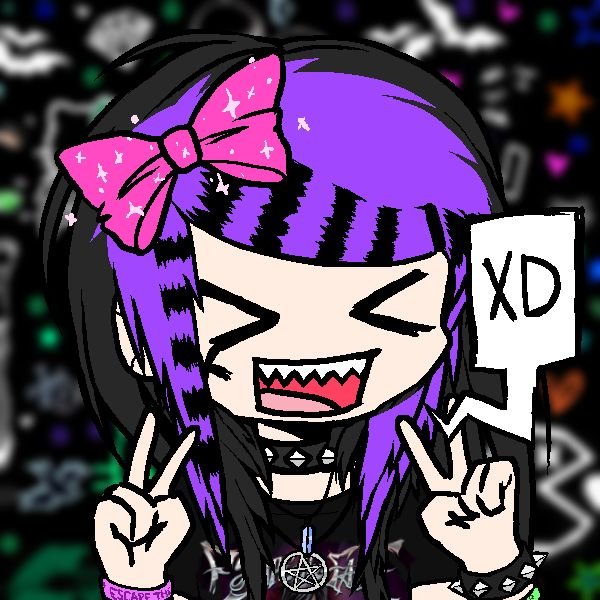
Scene PFP Flash Selfie images draw from one of the most recognizable visual codes of the style: direct camera flash, shiny accessories, sharp bangs, and frontal portraiture. The composition often feels immediate and personal. Pink, black, blue, silver, and white typically shape the frame. The image feels raw but stylized.
Flash creates instant period accuracy. Highlights sharpen the face. Reflective accessories add texture. Hair catches light dramatically. Tight framing keeps the identity personal. The result feels intimate and era-specific.
These avatars are especially common on Pinterest, TikTok, and Instagram among users who want a stronger connection to original scene-era visual culture. They suit nostalgic profiles, fashion edits, and revival-style layouts. In chats and feeds, the icon can make a profile feel more authentic and lived-in. The style pairs naturally with glitter bios, old-web banners, and profile themes inspired by camera-phone flash culture.
Scene PFP Boy Dark
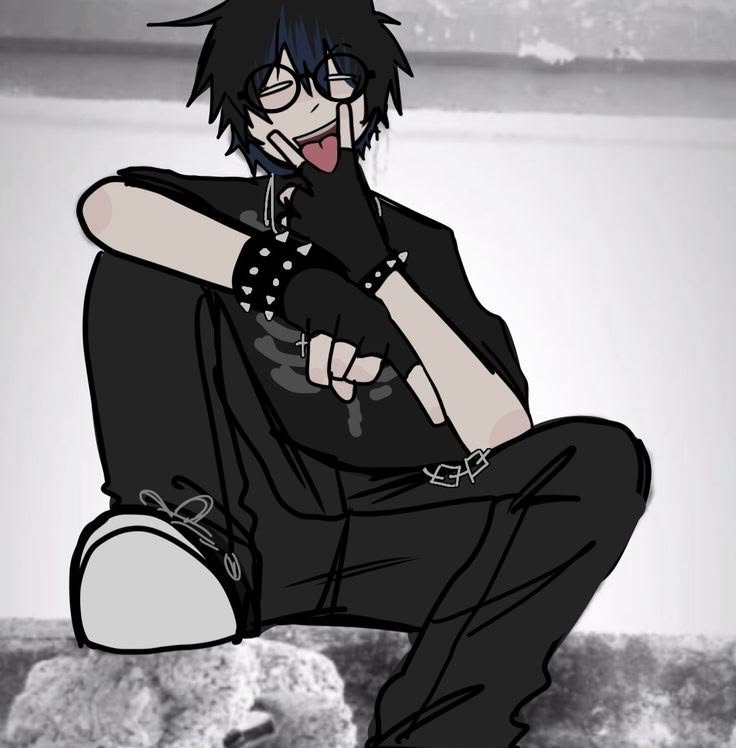
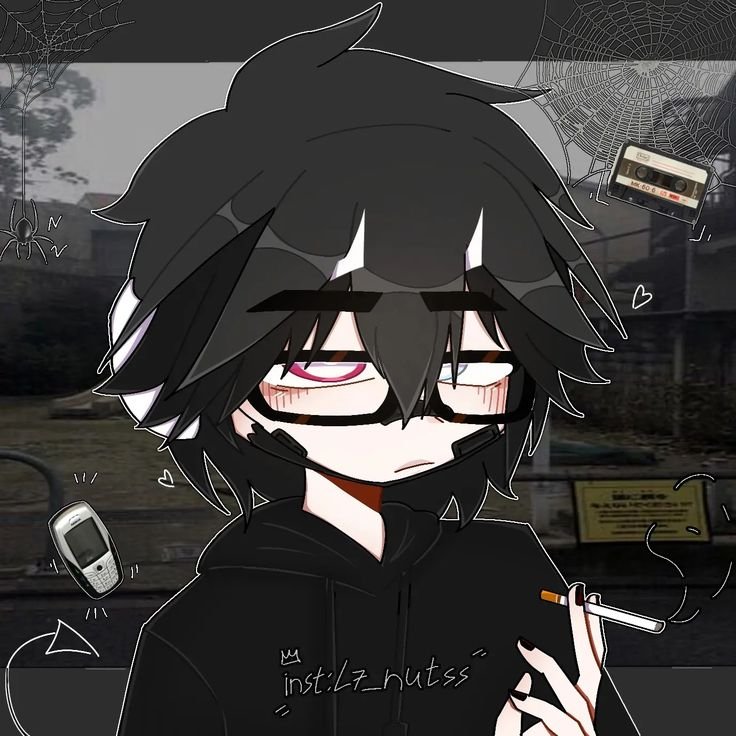
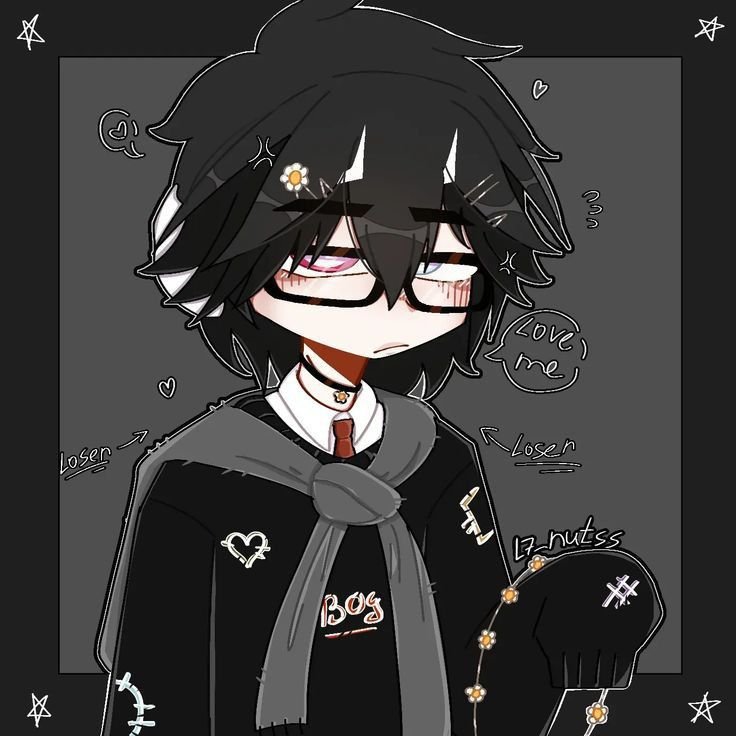
Scene PFP Boy Dark styles push the boy-focused scene portrait further into black-heavy territory, using dark backgrounds, muted red or green accents, and more minimal expression. The face often sits beneath heavy bangs or angled lighting. The composition feels colder and more disciplined. The mood leans moody rather than playful.
Darkness reduces the noise quickly. Accent color becomes more powerful. Hair shadow creates mystery. Tight crops increase intensity. Minimal expression deepens the distance. The image feels controlled and visually heavy.
These avatars are especially common on Discord, gaming spaces, and TikTok profiles where darker alternative identity matters. They suit users who want scene styling without brighter nostalgia or decorative excess. In chats and feeds, the icon can make a profile feel more reserved and emotionally guarded. The style pairs naturally with monochrome banners, low-noise bios, and clean but intense layouts.
Best Scene PFP
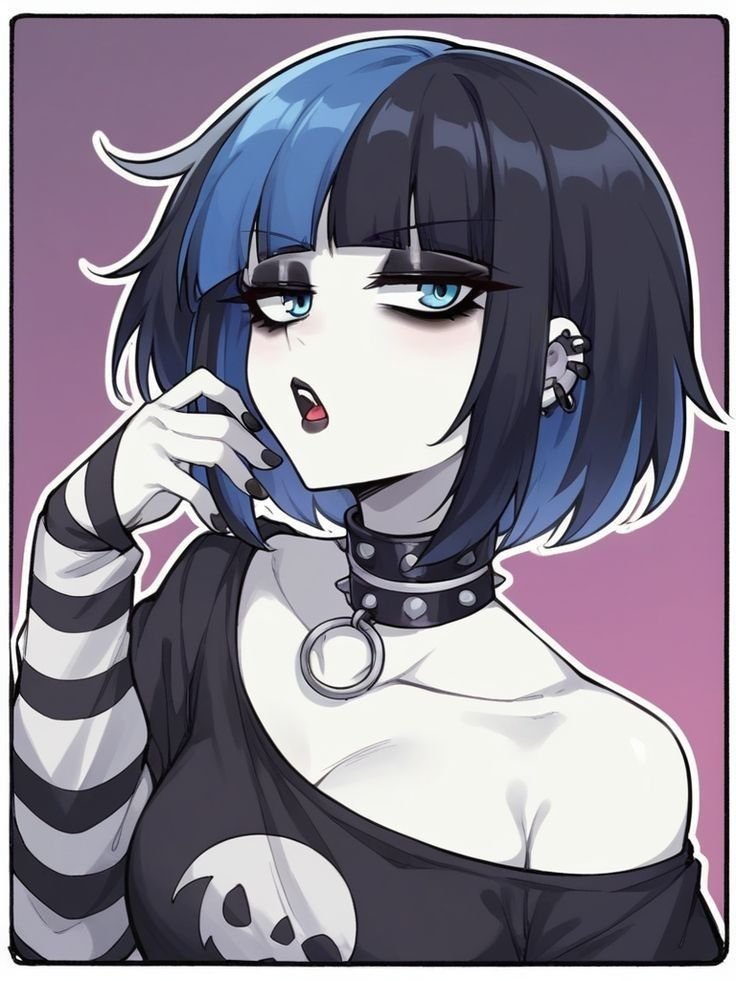
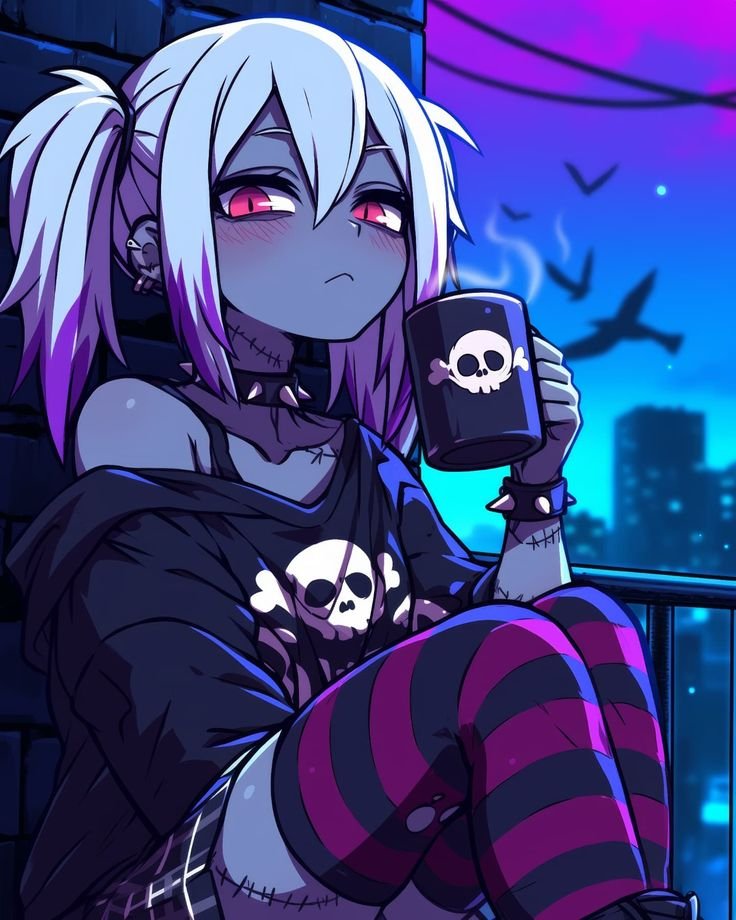
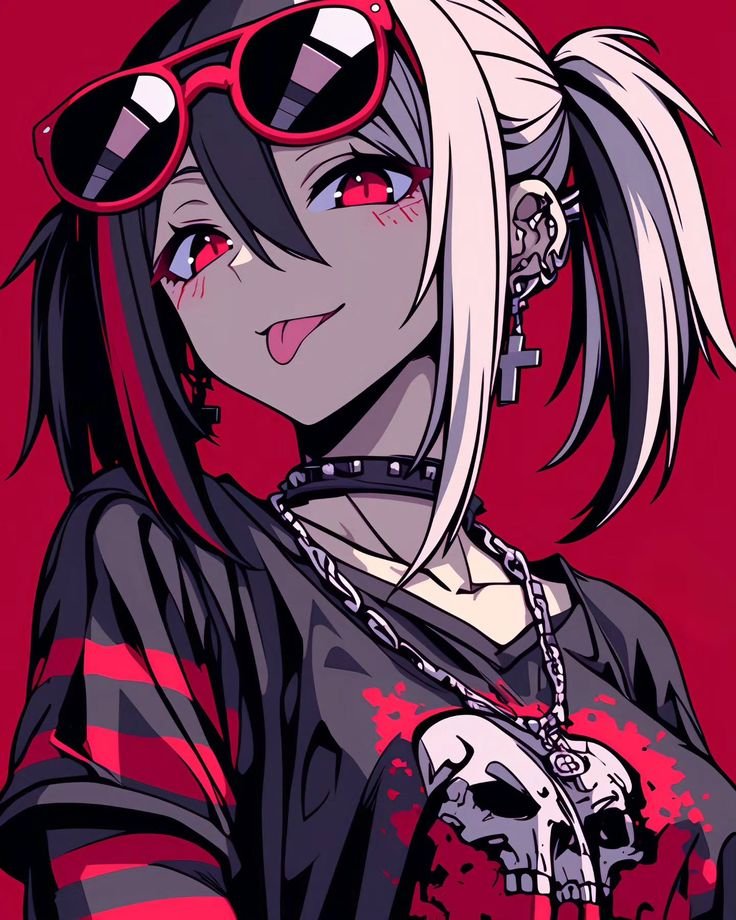
Best Scene PFP styles usually combine the clearest strengths of the aesthetic into one balanced image: readable face crop, strong bangs, one or two dominant accent colors, and enough accessory detail to feel authentic without overwhelming the frame. The composition feels stable, expressive, and widely usable. It stays bold without becoming chaotic.
Balance makes the image effective. Hair remains the main visual anchor. Color stays controlled. Accessories support the face. Flash or contrast improves clarity. The result feels unmistakably scene and easy to read.
These avatars work well across Discord, TikTok, Instagram, Pinterest, and gaming communities because they adapt to many profile moods while staying instantly recognizable. They suit users who want a definitive scene icon rather than a niche variation. In chats and feeds, the icon can make a profile feel bold, memorable, and visually aligned. The style pairs naturally with most alternative layouts, from cute to dark to nostalgic.
How To Choose The Right Scene PFP
- Match brightness to dark mode or light mode platforms
- Keep bangs, eyes, and face clear in circular crops
- Choose cute, dark, nostalgic, or silly mood intentionally
- Maintain pink, black, green, or purple palette consistency
- Avoid overly crowded edits that blur when resized
- Align avatar tone with username and bio style
- Use stronger contrast for Discord and gaming visibility
- Prefer cleaner compositions for cross-platform recognition
Read: Goku PFP: For 4K, Anime, Kid
Read: Goofy Ahh PFP: For School, Instagram
Read: Silver surfer PFP: For 4K, Aesthetic
Read: Y2K PFP: For Girl, Boy, Anime
Read: Hollow knight pfp: For Cute
Read: Minecraft PFP: For Cool, Funny
Frequently Asked Questions
Why do simple alternative-style profile pictures often look more polished?
Simple alternative avatars reduce visual noise and improve recognition in small interface spaces. Clear composition usually makes a profile feel more intentional and visually controlled.
Are scene avatars suitable for every platform?
They work well on most casual and creative platforms when the image stays readable. Cleaner Scene PFP styles usually adapt better than crowded collage-heavy edits.
Can a scene profile picture affect engagement?
It can shape first impressions by making a profile feel more expressive, nostalgic, or culturally specific. Consistent visuals often help accounts stand out in chats, comments, and feeds.
Should a profile picture match the rest of the feed?
Matching the avatar to the broader visual theme usually creates stronger cohesion. It helps the account feel curated rather than assembled from unrelated choices.
How often should profile pictures be changed?
Frequent changes can weaken recognition across platforms and communities. A slower update cycle usually works better when the overall visual language stays consistent.
Is black and white better than neon color for a scene icon?
Black and white usually feels moodier and more restrained, while neon versions often feel louder and more nostalgic. The stronger choice depends on whether the profile mood leans dark, cute, ironic, or more classic scene.
Conclusion
An alternative-style avatar can do more than decorate a profile. Through balanced composition, intentional color, and clear emotional tone, even a small image can become a strong identity marker across Discord, TikTok, Instagram, Pinterest, and gaming communities. Scene-based visuals remain especially effective because they combine nostalgia, personality, and graphic recognizability in one compact frame.
That flexibility gives the style lasting value. Cute pink portraits, dark emo edits, green neon icons, flash selfies, sticker collages, and monochrome scene crops can all age well when used thoughtfully. Exploring different categories helps refine a more coherent online presence. Used with care, a Scene PFP can make a profile feel recognizable, polished, and visually aligned.